

When to Shop Call It Spring: Your College Break Timing Guide
The best time to hit Call It Spring for your next shoe haul? Plan your trips around reading week in February, end-of-semester sales in late April, and back-to-school promotions in late August. Each window brings markdowns between 30% and 50% off regular prices, perfectly timed with college break schedules when you actually have time to shop and refresh your wardrobe between semesters.
Your school calendar determines more than just when you’re cramming for finals. It shapes the entire rhythm of how retailers clear inventory and push new collections, and Call It Spring’s seasonal timing lines up almost perfectly with academic breaks across Canadian universities and colleges. That February reading week when you’re theoretically catching up on lectures? Stores are liquidating winter boots and transitioning to spring styles. The week after your last exam in April when you finally have time to breathe? Summer sandals hit the floor at aggressive intro prices while leftover sneakers get marked down hard.
Knowing these patterns means you stop impulse-buying full-price boots during midterms when you’re stressed and start planning strategic shopping trips when both your schedule and the discounts work in your favor. And because Call It Spring operates across Canada with relatively consistent sale periods, you can apply the same timing strategy whether you’re studying in Vancouver, Toronto, or Montreal.
Prime Shopping Windows Throughout the Year
Post-Holiday Clear-Out (Late December to January)

The week between Christmas and New Year’s Eve is your golden window for scoring Call It Spring boots without wrecking your student budget. Retailers are desperate to clear winter inventory before February stock arrives, which means you’ll find knee-high boots, Chelsea styles, and weather-resistant options marked down 40-60% off regular prices. This timing works perfectly because you’re home from school with access to stores you might not have near campus, plus you’ve likely got holiday cash burning a hole in your pocket.
The real win? You’re buying exactly when you need these shoes most. January through March is brutal for footwear in most Canadian cities, and scoring waterproof boots in late December means you’re protected for the rest of winter. Check both in-store and online during this window since Call It Spring often runs different promotions on each channel. The selection is still solid in early January, but sizes start disappearing fast once the month hits mid-point, especially in popular styles and neutral colours that work with everything in your winter wardrobe.
Reading Week Reset (February)

February’s reading week hits at that awkward in-between moment when winter boots feel too heavy but sandals are still weeks away. Call It Spring knows this transition zone well, and their mid-winter sales reflect it.
Most schools schedule reading week in the second or third week of February, right when stores need to clear remaining winter stock. You’ll find solid discounts on ankle boots and weather-resistant styles that’ll carry you through March’s unpredictable weather. The real win? Valentine’s Day promotions often overlap with this period, bringing an extra 20-30% off already-reduced items.
This is prime time for practical transitional shoes, think low-heel booties, sleek sneakers in neutral tones, and weatherproof flats that work for both late-winter slush and early spring rain. The selection isn’t as picked-over as post-holiday clearance, but it moves fast because students across Canada are shopping the same break.
If you’re heading somewhere warmer for reading week, check online before you leave. Call It Spring typically launches spring sandals and lighter styles in mid-February, giving you first pick of new arrivals while still catching tail-end winter sales on boots you’ll need when you return to campus.
Summer Break Steals (Late July to August)
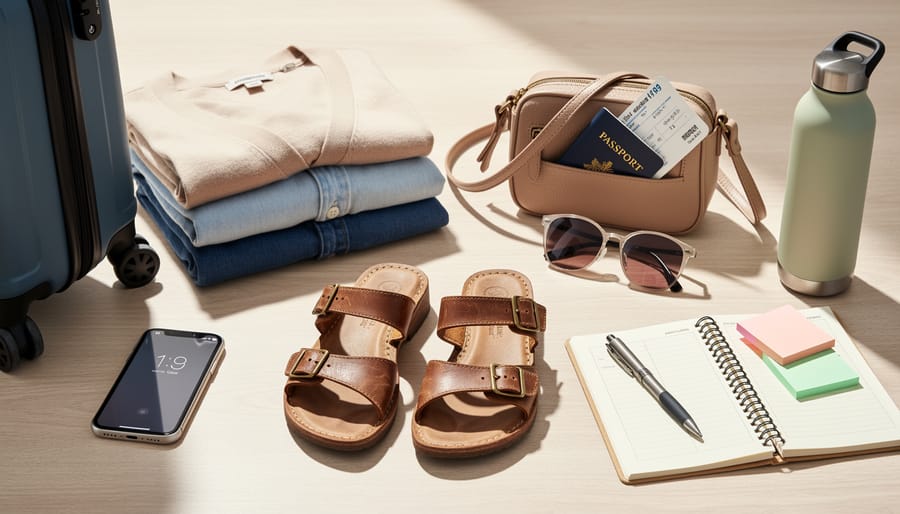
Late July through August hits differently when you’re shopping Call It Spring, retailers pivot hard into back-to-school season timing and that means serious deals on summer styles while fresh fall arrivals start trickling in. You’re catching the overlap between end-of-season clearance on sandals and sneakers you can still wear for weeks, plus early access to boots and loafers before everyone’s scrambling in September.
This window’s magic lies in shopping before you’re back on campus and stressed about syllabi. You’ve got time to browse, try things on properly, and return what doesn’t work without the pressure of first-week outfit planning. Call It Spring typically drops percentage-off promotions mid-August to move summer inventory, and online stock is still full since most students haven’t started shopping yet.
Target the last week of July if you want the widest summer selection at reduced prices. Push into early August for deeper discounts plus a preview of what you’ll actually wear come fall. By mid-August, you’re competing with the back-to-school rush, but that’s also when stores run their biggest sales to capture student budgets before tuition hits.
What Shifts Your Perfect Timing
Your School’s Calendar
Your academic calendar isn’t just about when to cram for finals, it shapes your entire Call It Spring shopping strategy. If you’re on a traditional semester system, you’ve got built-in shopping sweet spots in late December and early May when stores anticipate student shoppers flooding back for break. Quarter system students at schools like Simon Fraser University or University of British Columbia actually get more frequent shopping opportunities, with breaks hitting in mid-March, June, and September that often coincide with less-crowded sale periods.
Exam schedules matter more than you’d think for campus shopping. If your finals end December 22nd, you’re hitting stores during peak holiday chaos and picked-over clearance racks. But finishing December 15th? You’re catching the initial markdown wave with full size runs still available. The same logic applies to spring finals, wrapping up in mid-April gives you first pick at transitional spring styles before the May rush, while a late April finish means you’re shopping summer arrivals at full price alongside everyone else heading home.
Where You Live and Study
Your campus location completely changes which Call It Spring styles you’ll actually wear and when you need them. A student at UBC can get away with lighter ankle boots well into November, while someone at U of A is already layering thick socks by mid-October.
Maritime students deal with constant dampness, waterproof booties become non-negotiable around September, and you’ll want them before Reading Week hits. Prairie winters demand serious insulation by late November, making those fleece-lined options worth grabbing during back-to-school sales rather than waiting for winter break clearance when you’re already freezing.
Southern Ontario schools see wildly unpredictable spring transitions. That cute pair of mules might work in March one year and be totally useless until April the next. Quebec students know real winter, plan for heavy-duty boots from December through March, no exceptions.
Check your city’s typical first snowfall date and last frost. That tells you whether to shop seasonal styles early or wait for deals after everyone else’s season ends.
Collection Launch Cycles
Call It Spring typically releases new collections four times a year, aligned with traditional fashion seasons: spring (February-March), summer (May-June), fall (August-September), and winter (November). New arrivals hit stores and online about 2-4 weeks before the season officially starts, giving you first pick of fresh styles when you’re back from break.
Here’s the trade-off: new collection launches mean full prices, while items from the previous season start hitting clearance racks. If you shop during the first two weeks of a new collection drop, you’ll snag trending styles in your size before they sell out. Wait until mid-season, around week 6-8 after launch, and you’ll find earlier arrivals marked down 20-30%, though popular sizes disappear fast.
The sweet spot? Shop new collections during your breaks when you have time to visit multiple locations, but keep clearance finds in mind for versatile basics like black flats or nude pumps that work across semesters. Sign up for Call It Spring’s email list to get launch dates and coordinate them with your academic calendar.
Signs You’ve Nailed (or Missed) Your Window
You’ve timed it perfectly when new arrivals are still well-stocked, clearance racks have multiple sizes in the styles you want, and staff casually mention “this week’s the sweet spot before everything gets picked over.” Your shoes fit into your actual life, those cute ankle boots work for snowy February walks to the library, not just Instagram photos. The prices reflect genuine markdowns, not the fake “$120 slashed to $99” games some retailers play. You’re excited about wearing them next week, not storing them until next semester.
Missed windows look different. You’re settling for “good enough” in the wrong size because it’s the last pair. The clearance section is mostly size 5 and 10 leftovers in styles nobody wanted three months ago. You’re paying full price in March for sandals you could’ve snagged for 40% off in August. The “sale” sign promises savings, but you’re not sure what these terms actually mean.
Understanding retail language helps with smart shopping decisions:
- Markdown cycle
- The planned schedule retailers follow to reduce prices, typically starting at 25% off and increasing every two weeks until items sell. Call It Spring usually follows a 6-8 week cycle from initial markdown to final clearance.
- Clearance vs. sale
- Sales are temporary price drops on current merchandise that will return to regular price, while clearance means the item is leaving inventory permanently and won’t be restocked.
- Seasonal turnover
- The period when stores physically remove one season’s inventory to make floor space for the next season’s arrivals, creating the deepest discounts as they rush to empty stockrooms.
Another missed-window sign: you’re shopping reactively instead of strategically. Your roommate got amazing deals, so you rush to the store three days later only to find slim pickings. Or you convince yourself those summer wedges “might work for spring” when there’s still snow on the ground, instead of waiting six weeks for actual spring styles to arrive.
Making Your Haul Last All Semester

First-Week Prep
Before your new Call It Spring shoes hit the lecture hall, give them a fighting chance against campus life. Start by spraying them with a water-repellent protector, especially crucial for suede or fabric styles that’ll face slushy sidewalks and cafeteria spills. Apply two thin coats rather than one heavy layer, letting each dry completely.
Next, break them in at home. Wear your new shoes around your dorm for 20-minute sessions over a few days. This softens stiff areas and reveals any rubbing spots before you’re stuck on the far side of campus with blisters. Keep bandages in your backpack anyway for those first real outings.
Check the soles too. If they’re smooth leather or super slick, rough them up slightly with sandpaper or add stick-on grip pads. Nothing kills your confidence faster than slipping on polished hallway floors between classes. A minute of prep now beats public wipeouts later.
Dorm-Friendly Storage Hacks
Shoe boxes take up precious space, so stack them sideways like library books on a shelf or slide them under your bed. Clear plastic bins let you see what’s inside without digging through everything when you’re running late. Stuff boots with rolled-up magazines or empty water bottles to keep their shape instead of buying expensive boot shapers.
Flip-flops and sandals can hang from adhesive hooks on your closet door or wall. Keep a small shoe brush and microfiber cloth in your desk drawer for quick cleanups between wears. Avoid piling shoes in a heap at the bottom of your closet where they’ll get crushed and scuffed.
If you’re tight on floor space, use an over-the-door organizer with clear pockets. Rotate seasonal shoes home during breaks so you’re not storing winter boots all summer. Silica gel packets from packaging help control moisture in closed storage, which matters in humid dorm rooms.
When to Repair vs. Replace
Most Call It Spring repairs don’t make sense financially, if heels wobble or the sole separates completely, you’re better off putting that twenty dollars toward next season’s clearance instead of a cobbler. Replace shoes when the upper material cracks, stitching fails in multiple spots, or the insole compresses so much your foot slides forward. The exception? If you scored designer-level boots during a flash sale and only the zipper pull broke, a five-dollar hardware store fix beats tossing a sixty-dollar pair.
Basic fixes you can DIY in your dorm include re-gluing loose insoles with fabric adhesive, adding heel grips to stop slipping, and waterproofing spray to extend winter boot life. Think of repairs like our buying guide approach, invest effort where the return justifies it. When you’re cycling through trendy styles each semester anyway, don’t sink money into saving last year’s beat-up sneakers. Save the repair budget for pieces you genuinely plan to wear multiple semesters.
What Changes the Timing
Your timing sweet spot shifts based on a few key factors. If you’re studying in Vancouver or Victoria, your window opens earlier, think mid-November for winter boots because rain season hits before snow does. Meanwhile, Montreal and Toronto students can wait until late December when heavy snow gear actually makes sense.
Your program schedule matters too. Co-op students on work terms miss traditional break sales but gain flexibility to shop mid-week when stores are quieter and staff have more time to help. Distance education students can shop anytime but should still target those clearance cycles for maximum savings.
Budget constraints change everything. If you’re stretching dollars, prioritize end-of-season clearance even if styles feel slightly dated. Shopping mid-season for budget finds works when you need something immediately for an event or interview.
Your lifestyle demands also shift timing. Heavy campus walkers need durable basics early in the term, while part-time students who mostly drive can wait for deeper discounts. Living in residence versus commuting from home changes how much storage space you have for future-season purchases during big sales.
What to Watch For
Set your phone alerts for the first Wednesday after Canadian Thanksgiving, that’s when many Call It Spring locations start quietly rotating in their winter boot collection, weeks before the official “winter launch” hits their marketing. You’ll get first pick of popular styles in your size before the rush hits campus.
Watch your student email beyond just your school’s official calendar. Many campuses have retail partnerships that send exclusive early-access codes timed to reading week or exam prep periods, these stack with in-store promotions for double savings. The codes usually drop 3-5 days before the sale goes public, giving you a head start on grabbing those boots everyone will want.
Track weather forecasts two weeks out from your planned shopping trip. An unexpected cold snap or early melt shifts what Call It Spring puts on clearance versus what moves to full price. If Toronto’s getting an October snowfall, winter styles stay premium-priced longer. A mild February means deeper discounts on boots you can still wear through March.
Your Questions Answered
Is it better to shop Call It Spring online or in-store during break sales?
Online usually gives you first access to clearance items since they update inventory overnight, but in-store lets you try things on and sometimes find floor models marked down even further. If you’re home for break anyway, hit the store mid-week when it’s less crowded and stock is still decent.
Does Call It Spring offer student discounts I can stack with sale prices?
They don’t have an ongoing student discount program, but signing up for their email list gets you early sale access and occasional bonus codes. Your best bet is timing your purchase during their already-marked-down periods rather than waiting for a student-specific deal that doesn’t exist.
How far ahead should I shop if I need shoes for a specific event?
Give yourself at least two weeks before formal events so you have time to break them in and aren’t stuck if your size sells out. For everyday campus wear, shopping at the start of break means you can wear them around the house to test comfort before classes resume.
Will they price match if I find the same shoes cheaper somewhere else?
Call It Spring doesn’t do price matching with other retailers. If you spot a better deal elsewhere, grab it, their prices are what they are, and trying to negotiate just wastes time you could spend actually shopping.
The timing questions students ask most often reveal a common thread: everyone wants to maximize value without the stress of last-minute shopping. You’re not alone in wondering whether that pair you’ve been eyeing will still be there after exams, or if waiting another week means missing your size entirely. The sweet spot is shopping early in your break window when selection is strong, then checking back near the end if you’re willing to gamble on slim pickings for deeper discounts. Most students find the peace of mind of shopping early beats the anxiety of hoping clearance racks still have what they need.
Timing your Call It Spring shopping around your college breaks isn’t just about saving money, it’s about making every dollar work harder while you’re juggling tuition, textbooks, and everything else on your plate. You now know the sweet spots: those post-holiday clearances when you’re home for winter break, the mid-semester reading week sales that refresh your look, and the back-to-school deals right before you head back to campus in the fall.
The best part? This timing strategy gets easier every semester. Mark those key windows in your calendar, set price alerts for styles you’re eyeing, and remember that your school’s schedule is your shopping advantage. While everyone else is cramming for finals, you’re planning your next haul.
Got a Call It Spring find you scored at the perfect time? Share it with your roommates, post it in your group chat, or tag us on socials. When we all share our timing wins and favourite deals, everyone shops smarter. Your next perfect pair is waiting, now you know exactly when to grab it.
Leave a Reply