
What ‘Prestige Cosmetics’ Actually Means (And Why It Matters for Your Makeup Budget)
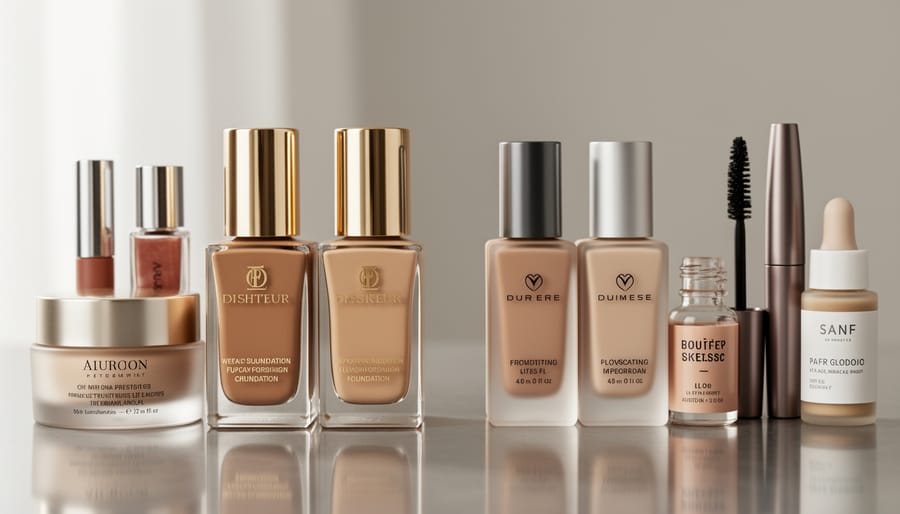
If you searched for “prestige cosmetics corp” expecting to find a specific company by that name, you’re not alone in the confusion. Here’s what’s actually going on: “prestige cosmetics” isn’t a corporation. It’s an industry term for high-end beauty products sold at premium price points, the kind you’d find at Sephora or department store counters rather than drugstore shelves. The confusion likely stems from Loblaw corporate documents, where “prestige cosmetics” appears as a product category in their annual reports, not as a company they own or partner with.
This mix-up matters more than you’d think, especially if you’re trying to figure out where your beauty budget should actually go. Canada’s prestige beauty market just hit CAD 2.2 billion in sales during the first half of 2026, up 6% from last year, which means more of us are investing in these products than ever before. Understanding what prestige really means helps you decide whether that foundation or eyeshadow palette is worth the splurge or just expensive packaging.
The term “prestige” in beauty isn’t about one brand. It’s a whole tier of products positioned as luxury investments, typically featuring higher-quality ingredients, better performance, and yes, that elevated shopping experience with testers and beauty advisors. For college students navigating tight budgets while still wanting products that actually work, knowing the difference between prestige and mass-market cosmetics changes how you shop, what you prioritize, and where you’re willing to spend more.
Decoding ‘Prestige Cosmetics’ as a Category
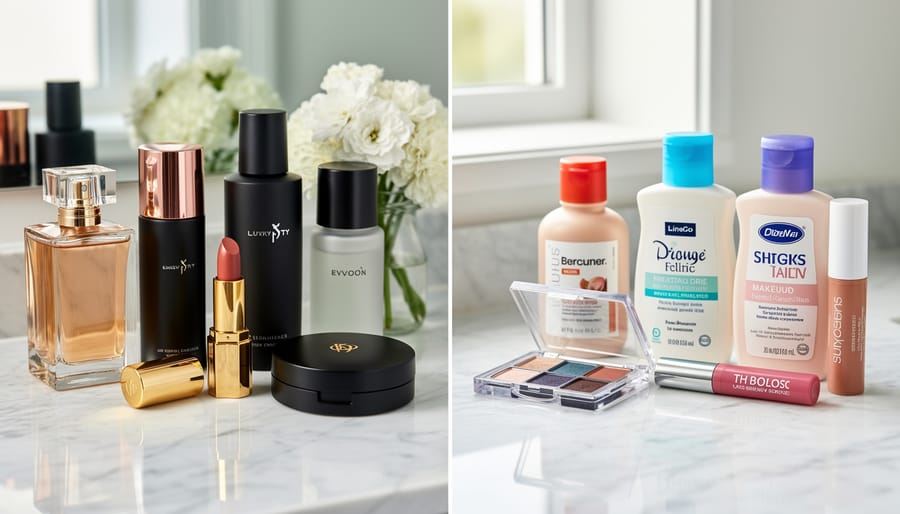
If you’ve ever searched for “prestige cosmetics corp” hoping to find a specific company website or product line, you’re not alone in the confusion. Here’s the thing: prestige cosmetics isn’t actually a corporation, it’s an industry term that describes a whole category of beauty products. Think of it like “luxury cars” or “designer handbags”, it refers to a market segment, not a single brand.
So when you see “prestige cosmetics” mentioned in corporate documents (like Loblaw’s annual reports, which reference their prestige cosmetics offerings), they’re talking about the category of premium beauty products they carry, brands like Clinique, Estée Lauder, or MAC, not a company called Prestige Cosmetics Corp.
The distinction matters because prestige products are positioned differently than your typical drugstore finds. These are the cosmetics sold with testers available, expert staff assistance, and often fancier packaging. You’ll recognize prestige brands by where they’re sold and how they’re marketed, they’re rarely on sale, they come with makeup artists offering consultations, and yes, they usually cost more. The ingredients might include things like cosmetic mica for that high-end shimmer finish, formulated to different standards than mass-market alternatives.
For college students, understanding this category distinction helps you decode beauty shopping. When someone recommends a “prestige foundation,” they’re signaling a certain quality tier and shopping experience, not pointing you toward a specific company. It’s about knowing which aisle, literal or metaphorical, you’re shopping in.
Canada’s Prestige Beauty Market Right Now
Canada’s prestige beauty market is having a serious moment right now, and the numbers back it up. In the first half of 2026 alone, Canadian shoppers spent CAD 2.2 billion on prestige beauty products, that’s a 6% jump from the same period last year. To put that in perspective, we’re collectively investing more in high-end makeup, skincare, and hair care than ever before, and that shift is changing what you’ll find on store shelves.
The real surprise? Hair care is leading the charge. While you might expect foundation or lipstick to dominate prestige sales, it’s actually premium shampoos, treatments, and styling products posting the strongest growth in 2026. This tracks with what many of us have noticed: friends swearing by expensive hair masks, influencers raving about bond-repair treatments, and suddenly questioning whether our drugstore conditioner is cutting it.
This market expansion means prestige products are popping up in places we wouldn’t have seen them a few years ago. Major grocery retailers like Loblaw, yes, the same chain where you grab President’s Choice snacks, now carry prestige cosmetics lines. It’s no longer just Sephora or department store beauty counters. You might stumble across high-end brands while picking up groceries, which honestly makes browsing a lot more accessible when you’re not psyching yourself up for a formal beauty store trip.
For college students, this growth translates to better availability and more opportunities to compare products in person rather than gambling on online orders. The downside? With prestige products becoming more visible everywhere we shop, it’s also easier to feel like we’re missing out if we’re not participating. That CAD 2.2 billion didn’t come from nowhere, it came from people like us making choices about where to spend limited budgets on beauty products that actually matter to our routines.
Where College Students Actually Encounter Prestige Cosmetics
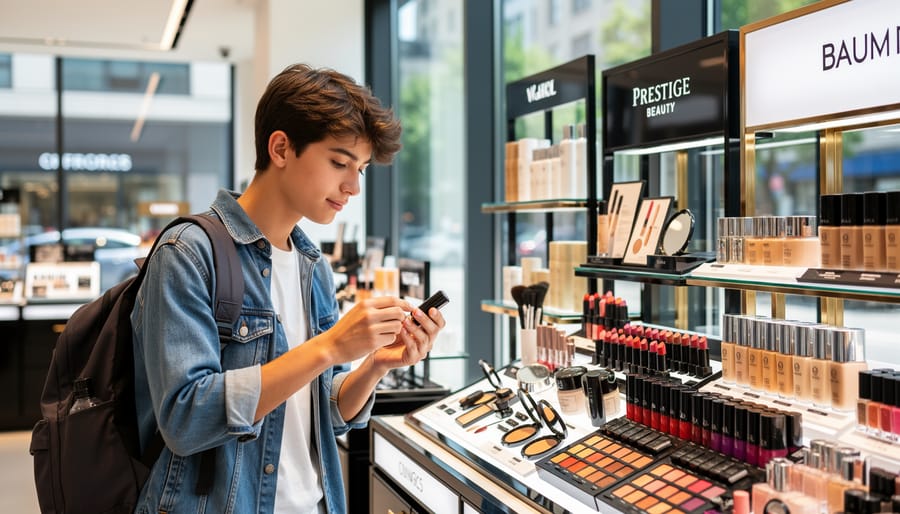
You’re running into prestige cosmetics in way more places than you might expect. The obvious spots are department stores like The Bay and specialty beauty retailers like Sephora, where prestige brands have always lived. Walking into Sephora still feels like the ultimate beauty playground, with testers everywhere and staff who’ll help you find your perfect foundation match.
But here’s where it gets interesting: prestige cosmetics are popping up in grocery stores now. Loblaw’s corporate documents actually reference prestige cosmetics in their retail operations, which makes sense when you think about how Shoppers Drug Mart (owned by Loblaw) has serious prestige beauty sections. You’ll find high-end skincare and makeup right next to where you’re grabbing milk and instant noodles. It’s convenient, especially when you’re already there for groceries and can earn points on everything.
Pharmacies have upped their game too. The prestige sections at Shoppers aren’t just tucked in a corner anymore, they’re legit destinations with brands you’d normally only find at standalone beauty stores. You can test products, chat with beauty advisors, and redeem those PC Optimum points you’ve been hoarding.
My roommate discovered her now-favorite Bperfect makeup at a beauty retailer she wandered into while killing time between classes. She’d never heard of the brand before but ended up loving their formulas. That’s the beauty of these retail spaces, you stumble onto products you wouldn’t have found scrolling online.
Online shopping obviously counts too, but there’s something about seeing prestige products in physical stores that makes them feel more accessible, less intimidating than when you’re just staring at a website wondering if that foundation shade will actually match.
Is Prestige Worth It on a Student Budget?

Let’s be real: dropping serious cash on makeup when you’re juggling tuition, rent, and ramen feels borderline irresponsible. But here’s what I’ve learned from talking to friends who’ve splurged and those who swear by drugstore picks, prestige isn’t always worth it, but sometimes it absolutely is.
The decision comes down to how you’ll actually use the product. Foundation is where prestige often earns its keep. Getting a perfect shade match and formula for your skin type matters when you’re wearing it daily, and the colour-matching technology at prestige counters beats guessing under fluorescent drugstore lights. One friend who struggled with breakouts said her dermatologist-approved prestige foundation actually worked with her skin instead of against it, which drugstore options never did.
Pros
- Superior shade-matching services help you find your exact foundation tone and undertone.
- Long-wearing formulas often survive twelve-hour days without touch-ups, saving product over time.
- Higher pigment payoff in products like eyeshadow and blush means you use less per application.
- Prestige brands typically invest more in research for skin compatibility and ingredient safety.
Cons
- Upfront costs strain tight student budgets with limited discretionary spending.
- Fancy packaging adds to the price without improving what’s actually inside the bottle.
- Some prestige products perform identically to drugstore dupes that cost a fraction of the price.
- Trendy products you’ll use twice don’t justify premium pricing no matter how Insta-worthy.
Long-wearing formulas also make sense for busy schedules. When your prestige mascara survives morning classes, gym, and evening shifts without smudging, you’re not constantly buying replacements or carrying touch-up products. My roommate calculated she replaced her drugstore mascara three times as often as her prestige one, which narrowed the actual cost gap.
Special occasions shift the math too. Splurging on a prestige lipstick for formal recruitment or job interviews isn’t frivolous, it’s strategic. These moments photograph well and you want confidence, not wondering if your makeup will hold. If you’re curious about exploring prestige options that won’t wreck your budget, you can shop EM Cosmetics and similar brands that bridge prestige quality with more accessible entry points.
Where drugstore wins? Trendy products you’ll use three times (that neon eyeliner), basic tools like makeup sponges, and anything experimental. Don’t blow your budget on a prestige product just because it’s prestige. Buy what solves a real problem for you.
Smart Strategies for Trying Prestige Without Breaking the Bank
Let’s be real, prestige cosmetics feel amazing, but dropping a chunk of your textbook budget on one lipstick? Not so much. The good news is you don’t have to choose between trying quality products and eating actual meals. Here’s how college students are getting their hands on prestige beauty without the financial panic.
Start with samples and discovery programs. Most prestige retailers offer free samples with online orders or in-store visits. One friend built an entire travel makeup collection from Sephora samples before buying a single full-size product. Beauty subscription boxes also let you test multiple prestige items monthly for less than one full-size product costs.
Birthday freebies are criminally underused. Sign up for loyalty programs at stores carrying prestige lines, many offer birthday gifts from brands you’d never splurge on otherwise. It’s literally free mascara or lipstick just for existing.
Strategic splurging makes sense for products you use daily. Instead of buying five mediocre items, invest in one hero product that actually performs, like a foundation that matches perfectly or a mascara that survives lecture-to-library-to-party days. Brands like PUR Cosmetics offer quality formulas that justify the investment when you calculate cost per use.
Roommate splits work brilliantly for products you share. Splitting a palette or setting spray with your roommate cuts costs in half while doubling variety. Just establish ground rules about hygiene and who gets custody during breaks.
Finally, master loyalty programs at major retailers. Points add up faster than you’d think, especially if you’re already shopping for essentials at places that carry prestige cosmetics. Stack sales, student discounts, and point redemptions to make prestige prices feel almost reasonable.
So there you have it, ‘prestige cosmetics’ isn’t some mysterious corporation you’ve been missing out on. It’s a whole category of beauty products, and understanding what that actually means puts you in control of your makeup decisions instead of feeling lost in the beauty aisle.
Now that you know prestige is about retail channels and price points rather than a single brand, you can choose what makes sense for your life right now. Maybe that’s splurging on a foundation that actually matches your skin tone, or maybe it’s sticking with your drugstore holy grails and saving for concert tickets instead. Both choices are completely valid.
The beauty industry wants to make this stuff feel complicated and exclusive, but it really isn’t. You’re navigating a CAD 2.2 billion market that grew 6% this year, and you deserve to understand how it works. What works for your roommate might not work for you, and that’s fine.
What are your go-to prestige products that you think are actually worth it? Or have you found drugstore dupes that perform just as well? Share your discoveries with the community, we’re all figuring this out together, and your experience might be exactly what someone else needs to hear.
Leave a Reply