

How to Build a Facial Daily Routine That Actually Works for Your Skin
A solid facial routine takes about five minutes morning and night and follows three core steps: cleanse, treat, and protect. For most beginners, that means washing your face, applying a targeted product like vitamin C or retinol, and finishing with moisturizer and SPF during the day. The payoff shows up in clearer, more resilient skin over the next few weeks, but only if you’re consistent and choose products that actually work for your skin type.
If you’ve scrolled through skincare TikTok or walked down the beauty aisle lately, you know the advice is everywhere and completely contradictory. One influencer swears by a twelve-step routine, another says you’re damaging your moisture barrier with too many actives, and your roommate’s glowing skin apparently comes from whatever free sample she grabbed at Sephora last month. It’s overwhelming, especially when you’re trying to figure out what’s actually worth your time and your student budget.
Here’s the truth: a good routine doesn’t need to be complicated or expensive. What matters is understanding the basics, the right order, and which products solve the specific concerns you’re dealing with right now. Whether you’re fighting breakouts, dealing with dryness from dorm heating, or just trying to look a little more awake for your 8 a.m. lecture, a straightforward morning and evening plan will get you there faster than cycling through viral products every other week.
What You’ll Need: Your Facial Routine Starter Kit
You don’t need to drop $200 at Sephora to build a solid facial routine. Start with the basics and add more as you figure out what your skin actually needs. Think of it like building your wardrobe, you get the essentials first, then fill in the gaps over time. Here’s what matters:
The Must-Haves:
- Cleanser: A gentle face wash that doesn’t leave your skin tight or squeaky (drugstore brands like CeraVe and Cetaphil work great)
- Moisturizer: One for day that’s lightweight, and optionally a richer one for night if your skin runs dry
- Sunscreen: Non-negotiable for morning use, SPF 30 minimum (look for combo moisturizer-sunscreen to simplify)
- Spot treatment: For breakouts when they happen (benzoyl peroxide or salicylic acid)
- Soft washcloth or muslin cloth: For gentle cleansing and makeup removal
- Clean towel: Designate one just for your face and wash it weekly
The Nice-to-Haves:
Treatment serums (vitamin C for brightness, niacinamide for pores), a separate eye cream, headbands to keep hair back, and a jade roller if you’re into that.
Here’s the real talk: buy one or two things at a time. Wait until you finish something before replacing it. I built my whole routine over six months by picking up products when they were on sale, applying the same budget-friendly shopping strategy I use for clothes. You can also shop during breaks when you’re home and can raid your mom’s bathroom for samples or try her products first.
The expensive stuff isn’t automatically better. Some of the best-reviewed cleansers cost under fifteen bucks. Start simple, see what works, then get fancy if you want.
Before You Start: Know Your Skin and Set Yourself Up for Success
Before you dive into any new skincare routine, you need to figure out what your skin actually needs. Take a good look at your bare face in natural light, ideally mid-morning after you’ve been awake a few hours. Does your T-zone get shiny by lunchtime while your cheeks feel tight? That’s combination skin. If your whole face feels uncomfortable and flaky, you’re likely dry. Oily skin gets that all-over shine and maybe some breakouts, while sensitive skin reacts easily to products with redness, stinging, or irritation.
Once you know your type, always patch test new products before slathering them all over your face. Dab a small amount on your inner forearm or behind your ear, wait 24 hours, and watch for reactions.
Here’s the thing about skincare safety that nobody talks about enough: check those expiration dates. That jar of moisturizer you’ve had since freshman year? Toss it. Expired products lose effectiveness and can harbour bacteria. Also, wash your hands before touching your face, seems obvious, but it’s easy to forget when you’re rushing through your routine at 11 PM.
The biggest mistake I see other students make is going too hard too fast. Don’t exfoliate daily, don’t layer five active ingredients at once, and don’t introduce multiple new products in the same week. Your skin needs time to adjust. If you’re dealing with persistent acne, painful cysts, severe reactions, or anything that makes you genuinely worried, skip the YouTube advice and talk to a dermatologist or your campus health centre.
Your Morning Facial Routine: Step-by-Step
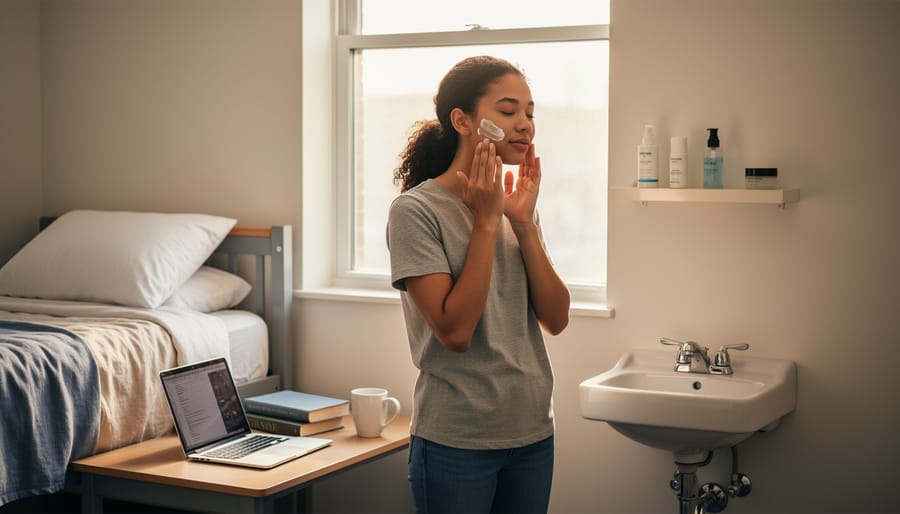
Your morning routine sets the tone for how your skin faces the day, literally. Think of it as prepping a canvas before you add anything else, whether that’s makeup or just a confident smile heading to your 9am lecture. The whole thing should take about five to ten minutes once you’ve got the hang of it.
- Cleanse (or rinse): 60-90 seconds. If you have oily or combination skin, use a gentle gel or foaming cleanser to wash away the oil and sweat your skin produced overnight. For dry or sensitive skin, splashing your face with lukewarm water might be enough, your evening cleanse did the heavy lifting, and over-washing can strip essential moisture. Massage in circular motions if you’re using a cleanser, focusing on your T-zone where oil tends to build up.
- Tone (optional): 30 seconds. If you use a toner or essence, pat it onto damp skin with your hands or a cotton pad. This step helps balance your skin’s pH and preps it to absorb what comes next. Skip this if your routine is already working without it, toning isn’t mandatory for everyone.
- Apply serums or treatments: 30-60 seconds. This is where you target specific concerns. Vitamin C serums brighten and protect against environmental damage, niacinamide helps with oil control and pores, and hyaluronic acid plumps with hydration. Use just a few drops and press gently into your skin. If you’re using multiple serums, apply the thinnest, most watery one first.
- Moisturize: 30-60 seconds. Everyone needs moisture, even if you have oily skin. A lightweight gel moisturizer works for oily types, while dry skin benefits from richer creams. Apply while your skin is still slightly damp to lock in hydration. Don’t forget your neck, it shows age just as much as your face.
- Sunscreen: 60 seconds. This is non-negotiable. Apply a nickel-sized amount of SPF 30 or higher as your final step, even if you’re sitting inside all day by a window or it’s overcast outside. UVA rays penetrate clouds and glass, causing premature aging and skin damage. Wait a minute before applying makeup so it sets properly.
The entire sequence flows from thinnest to thickest products, which helps each layer absorb properly instead of sitting on top of your skin feeling greasy. Your morning routine protects and prepares, while your evening routine repairs, they work as a team.
If you’re rushing between your dorm and class, you can condense steps two and three on crazy mornings. But never skip the sunscreen. That’s the one step that makes the biggest difference in how your skin looks five, ten, twenty years from now.
Your Evening Facial Routine: Step-by-Step
Your evening routine is where the real magic happens, this is when your skin goes into repair mode and you can layer on the good stuff without worrying about SPF or makeup on top. While mornings are about protection, evenings are all about treatment and recovery. Here’s how to do it right without turning your bathroom into a chemistry lab.
The Evening Routine Breakdown
- Remove Your Makeup FirstIf you wore makeup (even just the makeup bag basics), start with a makeup remover or cleansing balm. Micellar water works great for this. Soak a cotton pad and gently wipe across your face, paying extra attention to mascara and lip color. Don’t scrub, just let the product dissolve everything.
- Cleanse Your FaceNow use your regular cleanser. If you wore heavy makeup or sunscreen, you might want to cleanse twice (that’s the “double cleanse” everyone talks about). The first cleanse gets the surface stuff, the second actually cleans your skin. Massage for 30-60 seconds, then rinse with lukewarm water. Pat dry with a clean towel.
- Tone (Optional)If you use a toner, apply it now on damp skin. Pour a bit onto your palms or a cotton pad and gently press it into your face and neck. Wait about 30 seconds before moving on.
- Apply Treatments or ActivesThis is when you’d use retinol, acids, or spot treatments. Start with the thinnest consistency first. If you’re new to actives, use them every other night until your skin adjusts. Wait 1-2 minutes between layers to let each one absorb.
- Eye Cream (Optional)Tap a rice-grain amount around your orbital bone using your ring finger (it’s the gentlest). Don’t pull or drag the delicate skin.
- Night MoisturizerFinish with a richer moisturizer than you’d use in the morning. Your skin loses moisture overnight, so this seals everything in. Smooth it over your face and neck in upward motions.
The whole process takes about five to eight minutes once you’ve got the flow down. One tip that changed everything for me: if you’re using multiple treatments, start with just one a few nights a week. Adding too many actives at once is the fastest way to irritate your skin. Your face will thank you for the patience.
How to Tell If Your Routine Is Working

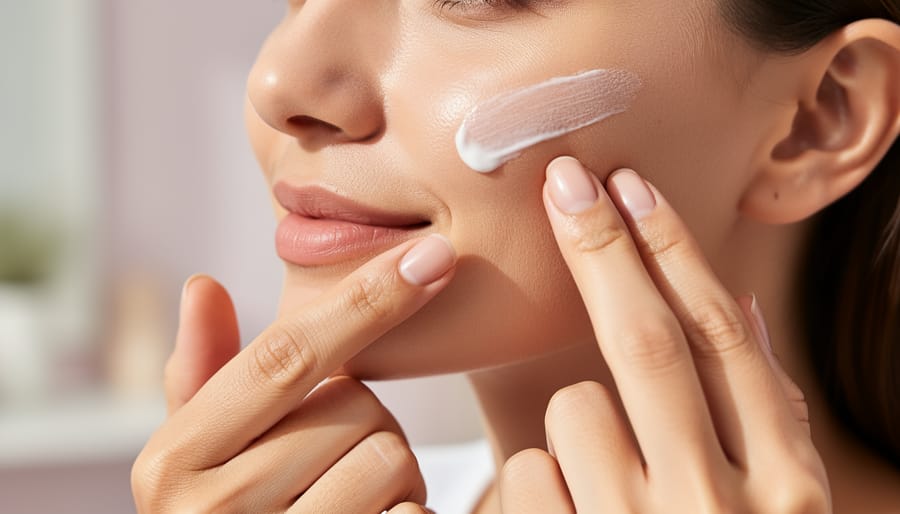
Okay, here’s the reality check: you won’t wake up with glass skin after one night. Most products need a solid four to six weeks before you’ll see real changes, so resist the urge to switch everything up after a week. Your skin’s cell turnover cycle takes time, and jumping ship too early means you’ll never know what actually works.
So what does “working” actually look like? Your skin should feel comfortable throughout the day, not tight after cleansing, not slick by noon, and not itchy or stinging ever. You’ll notice makeup sits better instead of clinging to dry patches or sliding off oily zones. Breakouts might still happen (we’re human), but they should be less frequent and heal faster. Your overall texture will look smoother, and that dull, tired look starts fading.
Here’s your tracking toolkit: take a bare-faced photo in natural light by a window every Sunday morning, same spot, same angle. Keep them in a dedicated album so you can scroll back and actually see the difference, because day-to-day changes are too subtle to catch in the mirror. If you’re into journaling, jot down how your skin feels each week and what you’re using, it sounds extra, but it’ll save you when you’re trying to remember which serum made you break out.
Add new products one at a time, spacing them two weeks apart minimum. This way, if something goes wrong, you know exactly what caused it. If you’re seeing increased redness, persistent burning, more breakouts than usual after six weeks, or that tight, shiny feeling that screams overstripping, it’s time to troubleshoot. Scale back to just cleanser and moisturizer for a few days, then reintroduce products slowly. Sometimes less really is more, and your skin will tell you when you’re doing too much.
Making Your Routine Stick: Real Talk from a Fellow College Student
I’m not going to lie: the hardest part of having a facial routine isn’t figuring out what products to use. It’s actually doing it when you’re exhausted after a 9 PM seminar or when you stumbled home at 2 AM and your bed is calling your name.
Here’s what’s worked for me. I keep my products right next to my toothbrush. Sounds basic, but if I have to dig under the sink for my cleanser, I’ll convince myself I’m too tired. When everything’s staring at me while I brush my teeth, I just… do it. It takes the decision-making out of the equation.
I also stopped thinking of skincare as this separate task I need time for. I do my evening routine while catching up on TikTok or listening to a true crime podcast. My morning routine happens while my coffee brews. Honestly, once you get the motions down, it takes maybe three minutes. If you’re already wearing SPF-friendly makeup during the day, you’re already thinking about your skin anyway.
During midterms or finals week, I simplify. Cleanser, moisturizer, sunscreen in the morning. Cleanser, moisturizer at night. That’s it. No serums, no extras. A simplified routine is infinitely better than skipping entirely because you’re overwhelmed.
And look, if you skip a night? You’re not ruining everything. I’ve fallen asleep in my makeup more times than I’d like to admit. You just start again the next day. Progress isn’t perfection.
Your Biggest Facial Routine Questions, Answered
Look, I’ve gotten these questions a million times from friends asking me to look at their skincare routines, so let’s tackle the ones that come up most often. These are the things that trip everyone up when they’re getting started.
Do I really need to do this twice a day?
Morning and evening serve different purposes, morning protects your skin for the day ahead (hello, sunscreen), while evening removes the day’s buildup and lets treatments work overnight. That said, if you’re exhausted, doing your evening routine is more important than your morning one.
Can I skip sunscreen if my makeup has SPF?
Nope, makeup with SPF doesn’t give you enough coverage because you’d need to apply way more than you actually use. Always apply a dedicated sunscreen underneath your makeup, it’s non-negotiable for preventing sun damage and premature aging.
What if I have acne-prone skin?
Start with a gentle, non-stripping cleanser and a lightweight, oil-free moisturizer. Add one acne-fighting ingredient at a time (like salicylic acid or benzoyl peroxide) and give it a few weeks before adding more, overdoing it will just irritate your skin and make things worse.
How do I know what order to apply products?
The general rule is thinnest to thickest consistency: cleanser, toner, serums, eye cream, moisturizer, then sunscreen in the morning. When in doubt, water-based products go before oil-based ones.
And here’s something nobody tells you upfront: expensive skincare isn’t automatically better. Some drugstore products work just as well as luxury ones because what matters is the ingredient concentration and formulation, not the price tag. I’ve seen $10 moisturizers outperform $80 ones on my friends’ skin. Focus on finding what works for your skin rather than what influencers are pushing.
As for seasonal changes, most people can keep the same basic routine year-round but might need to adjust, switching to a richer moisturizer in winter or a lighter one in summer. Your skin will tell you when it needs something different.
Look, building a facial routine isn’t about having fifteen steps or the trendiest products everyone’s raving about on TikTok. It’s about finding what works for you and actually sticking with it. A basic cleanse-moisturize-SPF routine you do every day beats the fanciest ten-step system that sits unused on your shelf.
Start simple. Maybe that’s just cleanser and moisturizer for now. You can always add more later when you’re ready. Your skin didn’t develop its current concerns overnight, and it won’t transform in a week either. Give yourself grace, stay consistent, and adjust as you go.
What’s been your biggest skincare win or struggle? Drop your tips, questions, or favourite budget finds in the comments, we’re all figuring this out together, and honestly, that’s where the best advice comes from.
Leave a Reply