

How to Choose Affordable Fashion Retailers: A College Girl’s Buying Guide
Looking stylish on a student budget isn’t about compromising your personal style or settling for clothes that fall apart after three washes. The best affordable fashion retailers in 2026 combine trend-forward pieces with prices that won’t leave your bank account crying, and knowing where to shop (plus how to shop smart at each store) can stretch your wardrobe budget twice as far.
Here’s the reality: affordable doesn’t automatically mean cheap quality or outdated styles. Plenty of retailers have mastered the art of delivering Instagram-worthy pieces at price points that make sense for college students living on part-time job income, student loans, or tight monthly budgets. The difference between shoppers who always look put-together on a budget and those who constantly overspend comes down to strategic retailer selection and knowing which stores excel at what.
The problem? Not all affordable retailers are created equal. Some nail basics but fail at trendy statement pieces. Others offer amazing styles that barely survive a season. A few hide their best deals behind confusing sales structures or loyalty programs most students don’t know exist. Walking into the wrong store for your specific needs (or shopping without a strategy) means wasting money on pieces that don’t work with your existing wardrobe or spending hours hunting for items you could have found faster elsewhere.
This guide breaks down exactly how to evaluate affordable fashion retailers, compares different store types so you know where to shop for what, and shares the specific chains and online shops that consistently deliver for Canadian students. You’ll also learn the most common shopping mistakes that drain budgets and discover practical money-saving tactics that work at each retailer type.
What Makes a Fashion Retailer Truly Affordable
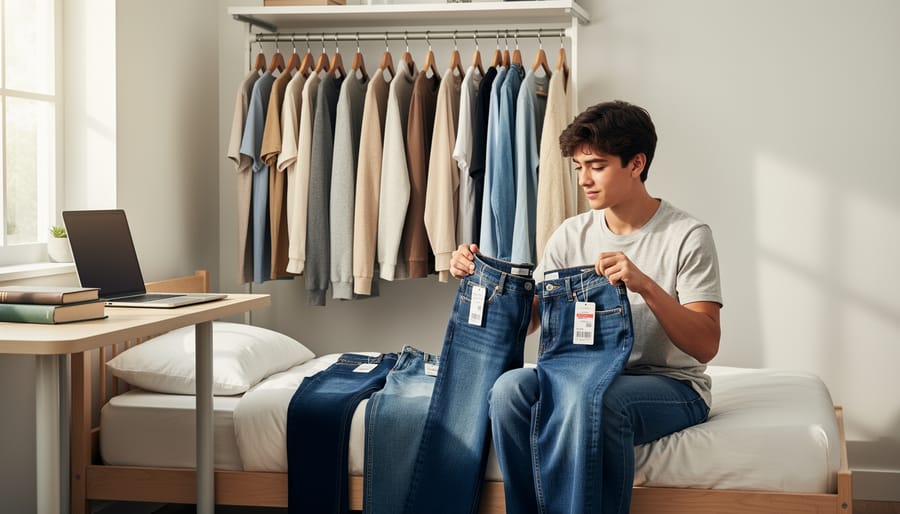
When you’re scrolling through Instagram ads at 2 a.m. and see a dress for $12, it’s tempting to think you’ve found the ultimate deal. But here’s the thing: affordable doesn’t just mean the lowest sticker price. A truly affordable fashion retailer gives you pieces you’ll actually wear multiple times without falling apart after one wash.
The biggest factor to look at is the quality-to-cost ratio. That $12 dress might seem like a steal until the seams split before you even leave the house, forcing you to buy a replacement. Meanwhile, a $35 dress that lasts two years and stays in rotation costs you way less per wear. Check fabric content when you can, natural fibers or quality blends typically outlast super-thin synthetics. Read reviews obsessively, especially ones with photos showing how items held up after washing.
Next up: sales frequency and discount patterns. Some retailers mark everything up just to slash prices constantly, while others have genuine seasonal sales. Sign up for newsletters from stores you like and track when they typically run promotions. Black Friday, back-to-school, and end-of-season clearances are your best friends. Student discounts are another game-changer, many retailers offer 10-15% off with a valid .edu email or through UNiDAYS, which adds up fast over a semester.
Shipping costs can completely wreck an affordable purchase. A $20 top becomes a $35 top when you’re hit with $10 shipping plus potential duties and customs fees for ordering from the U.S. Look for retailers with free shipping thresholds you can actually reach (bonus points if you can split an order with roommates), or ones with Canadian warehouses that ship domestically. Return policies matter just as much. If you can’t return online purchases without paying return shipping or restocking fees, you’re gambling every time you order. The best affordable retailers offer free returns or at least store credit options.
Sizing inclusivity affects affordability too. If a retailer’s sizes run wildly inconsistent or don’t include your size range, you’ll waste money on items that don’t fit. Check size charts, read fit reviews, and stick with retailers known for consistent sizing once you find them.
Types of Affordable Fashion Retailers (And Which Fits Your Style)
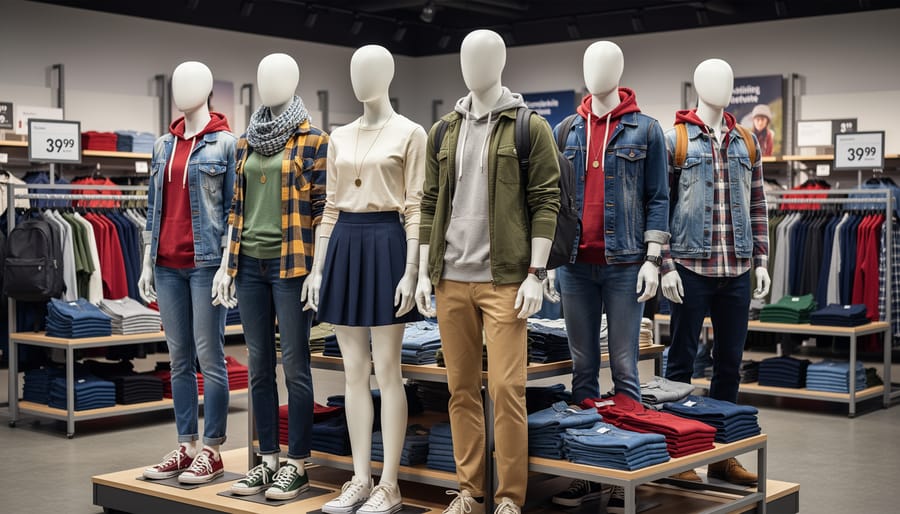
Understanding which type of affordable fashion retailer suits your needs can completely change how you shop. Each category offers different advantages, and knowing where to look for what helps you build a wardrobe that actually works for your lifestyle and budget.
Fast fashion chains like H&M, Zara, and Forever 21 dominate most malls. They’re designed to turn trends around quickly, getting runway-inspired pieces into stores within weeks. The upside is immediate access to what’s trending right now, with new arrivals hitting the floor constantly. Prices typically range from $10 to $60 per item. The downside? Quality can be hit-or-miss, and these pieces often don’t last beyond a season of regular wear. Fast fashion works best when you need something trendy for a specific event or want to test a style before investing more. If you’re drawn to particular style influences you’ve seen online, fast fashion lets you experiment without commitment.
Online-only brands like Shein, Romwe, and ASOS operate without physical stores, passing those savings to customers. Prices can be shockingly low, sometimes under $10 for tops or dresses. The catch is shipping times (often two to three weeks), inconsistent sizing, and the inability to touch fabrics before buying. These retailers excel for accessories, statement pieces you’ll wear occasionally, or when you have time to wait. Always read reviews and check measurements, because returning international orders gets expensive.
Discount department stores such as Winners, Marshalls, and Nordstrom Rack offer name brands at reduced prices. You’re shopping last season’s inventory or overstock, which means the selection is unpredictable. One visit might yield amazing finds, the next nothing in your size. The treasure hunt aspect appeals to some shoppers, and you can score genuine quality at 40-70% off retail. Best for basics, outerwear, and when you’re not shopping for something specific.
| Retailer Type | Typical Price Range | Best For | Shopping Experience | Canadian Availability |
|---|---|---|---|---|
| Fast Fashion Chains | $10-$60 | Trendy pieces, event outfits | In-store browsing, instant gratification | Widespread mall presence |
| Online-Only Brands | $5-$40 | Statement pieces, accessories | Convenient but requires patience | Ships to Canada (duties may apply) |
| Discount Department Stores | $15-$80 | Name brands, outerwear, basics | Treasure hunt, inconsistent stock | Major cities nationwide |
| Sustainable Affordable Brands | $30-$100 | Quality basics, ethical choices | Curated selection, transparent practices | Growing Canadian presence |
| Thrift/Consignment Shops | $5-$50 | Unique finds, vintage pieces | Time-intensive, one-of-a-kind items | Local shops in most cities |
Sustainable affordable brands like Everlane, Pact, and Canadian-based Tentree prioritize ethical production without luxury pricing. Expect to pay more upfront ($30-$100), but these pieces typically outlast fast fashion equivalents by years. They focus on timeless basics rather than chasing every micro-trend. Perfect for building a core wardrobe of items you’ll wear repeatedly.
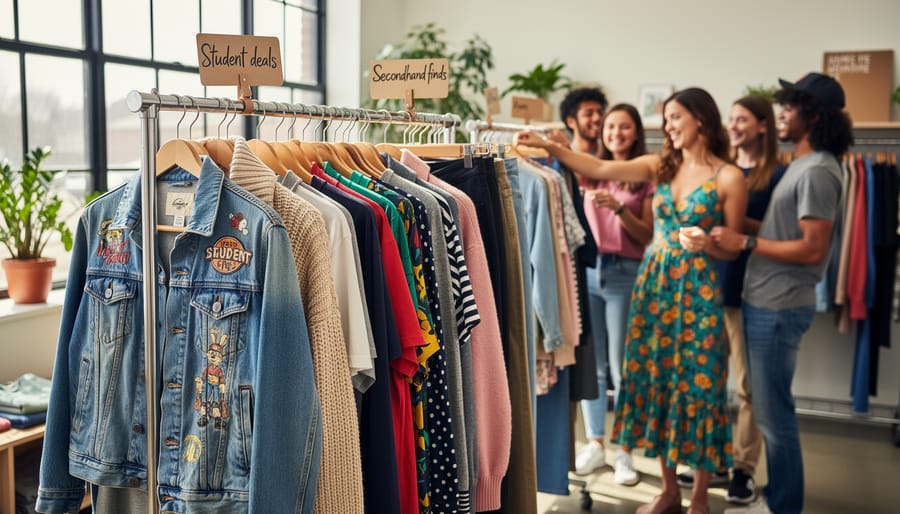
Thrift and consignment shops offer the ultimate budget option and the thrill of unique finds. Value Village, local consignment stores, and online platforms like Poshmark or Depop connect you with secondhand pieces. Prices vary wildly, from $5 basic tees to $50 designer jeans. Shopping secondhand takes more time and patience, but rewards you with pieces nobody else will have. It’s ideal for denim, outerwear, vintage band tees, and experimenting with styles without financial risk.
Outlet centers house brand-specific stores selling past-season merchandise at discounts. Gap Outlet, Banana Republic Factory, and Nike outlets offer recognizable brands at 30-50% off. Quality usually beats fast fashion, though true outlet merchandise (made specifically for outlets) exists alongside genuine markdowns. Best for stocking up on basics during additional sale events.
Our Top Picks for Canadian College Students
For Everyday Campus Wear
Old Navy consistently delivers on campus staples without the sticker shock. Their jeans hold up through multiple washes, hoodies stay soft, and basics like tees and leggings won’t fail you mid-semester. Most items land between $15, $40, and they run solid sales every few weeks. The sizing runs true for most pieces, though some students find their pants a bit long if you’re under 5’4″. Their rewards program adds up quickly when you’re restocking basics.
H&M’s Basics collection hits that sweet spot for everyday wear. Their ribbed tanks, straight-leg pants, and oversized sweaters work for lecture halls and coffee runs alike. Quality varies by line, stick with their Conscious collection for better fabric that lasts beyond one season. Prices typically range from $10, $30 for core pieces, and their student discount applies both in-store and online.
For Canadian students, Garage excels at casual campus fits. Their leggings and joggers survive countless laundry cycles, and their graphic tees reflect actual college-student style rather than trying too hard. Shipping within Canada is fast, usually arriving within a week, and they frequently offer 40% off sales that make building your everyday rotation almost too easy.
For Keeping Up with Trends
When you want to dress like you just stepped off the runway without the designer price tag, a few retailers stand out for their lightning-fast turnaround on current styles. Zara consistently delivers catwalk-inspired pieces within weeks of major fashion shows, and their Canadian online store ships quickly with reasonable thresholds for free delivery. H&M’s trend collections drop frequently and hit that sweet spot between stylish and budget-friendly, plus their student discount makes it even better.
For Influencer-inspired looks check out PrettyLittleThing and Shein, both update inventory constantly based on what’s trending on social media. Yes, quality can be hit-or-miss, so read reviews religiously before adding to cart. ASOS deserves a mention too: their own-brand pieces mirror high-fashion trends at accessible prices, and they carry hundreds of other affordable brands in one place. The key is following these retailers on Instagram so you catch new drops early, because the trendiest pieces sell out fast.
For Interview and Professional Looks
Building a professional wardrobe on a student budget used to stress me out until I discovered you don’t need to drop hundreds at fancy stores. For interview outfits and internship looks, H&M’s workwear line offers tailored blazers and trousers starting around $40-60, while Old Navy’s Pixie pants ($35-45) have saved countless students I know with their professional look and machine-washable durability. Uniqlo deserves serious credit for quality button-downs and structured tops that don’t wrinkle easily, essential when you’re rushing between class and an interview. Their prices hover around $30-50 per piece, and the minimalist aesthetic works for any industry. Winners and Marshalls are goldmines for discounted professional pieces from better brands; I’ve found $200 blazers marked down to $60. The trick is shopping early in the semester before career fair season hits, giving yourself time to find pieces that actually fit rather than panic-buying the night before your big interview.
For Sustainable and Ethical Options
Finding affordable fashion that aligns with your values doesn’t mean choosing between your conscience and your wallet. Several retailers now offer sustainable pieces at student-friendly prices, though you’ll need to adjust your expectations slightly, ethical production costs more than fast fashion, but these brands keep prices reasonable through smart business models.
Everlane operates on “radical transparency,” showing you the true cost breakdown of each item. Their organic cotton basics start around $15-20, and they run frequent “Choose What You Pay” sales on past-season items. Pact offers GOCO-certified organic cotton essentials with tees starting at $12 and underwear multipacks that bring the per-piece cost down significantly. For Canadians, ThredUp’s secondhand marketplace extends the life of clothes while keeping your spending in check, you’re getting quality brands at 70-90% off retail.
The trade-off? Smaller collections and fewer trendy pieces. These retailers focus on timeless basics rather than chasing every microtrend. You’ll build a slower wardrobe, but one that lasts multiple semesters and feels good to wear.
Shopping Mistakes That Waste Your Money

I’ve made so many expensive mistakes shopping on a student budget, and honestly, most of them weren’t about buying things that were too pricey, they were about buying cheap stuff the wrong way. The truth is, affordable fashion can be amazing value or a total money pit depending on how you shop. Here are the mistakes that actually drain your wallet.
The biggest trap? Buying something just because it’s cheap, not because you actually like it or need it. I’ve grabbed so many $15 tops thinking “it’s only fifteen bucks!” without asking myself if I’d even wear it. Spoiler: those impulse buys sit in my closet with tags still on while I wear the same five things on rotation. A $40 piece you wear constantly is way more affordable than four $10 items collecting dust.
Ignoring fabric quality is another expensive mistake disguised as savings. That super-cute $20 dress might seem like a steal until it pills after one wash or the seams come apart after three wears. I’ve learned to actually check the fabric content and read reviews mentioning durability. Sometimes paying $35 instead of $20 means the difference between wearing something all semester versus it falling apart in a month.
Hidden costs can completely destroy a good deal, especially shopping from the US to Canada. I’ve added items to my cart, gotten excited about a sale, and then watched the total balloon at checkout with $15 shipping, potential duties, and maybe a surprise “handling fee.” Always calculate the actual landed cost before you buy. Same goes for return shipping, if you have to pay $12 to send something back, that “great deal” isn’t so great anymore.
Not comparing prices across retailers is leaving money on the table. That sweater at one store for $45 might be $32 at another, or the exact same brand item could be cheaper at a different retailer. I spend two minutes checking a few sites before buying anything over $30, and it’s saved me hundreds this year.
The mistake that hurts most? Missing student discounts and loyalty programs. So many retailers offer 10-15% student discounts through UNiDAYS or Student Beans, but you have to actually sign up and remember to use them. I’ve literally paid full price when I could’ve saved $8 just because I forgot to verify my student status. Also, if you shop somewhere regularly, join their rewards program, free points add up to actual discounts.
Maximizing Your Budget at Any Retailer
Getting the most from your budget isn’t just about finding the cheapest price tag, it’s about strategic shopping that stretches every dollar. The difference between someone who always looks put-together on a student budget and someone constantly broke after a shopping spree often comes down to a few smart habits.
Start with timing sales strategically. Most retailers follow predictable discount cycles: end-of-season clearances (late August for summer, late February for winter), Black Friday weekend, Boxing Week, and mid-season sales around January and July. Sign up for newsletters from your go-to stores so you know when these drops are coming, but don’t let flash sales pressure you into buying things you don’t actually need.
Stacking discounts amplifies your savings dramatically. Many retailers let you combine a student discount with a sale price, or apply a first-time customer code on top of clearance items. Cashback apps like Rakuten or browser extensions like Honey add another layer, that 5% might not seem huge, but it adds up over multiple purchases. When you shop Call It Spring or similar Canadian retailers, check if they’re listed on your cashback app first.
Here are some Canadian-specific strategies that actually work:
- Watch for free shipping thresholds and split orders with roommates to hit the minimum
- Keep duties in mind when ordering from US sites, anything over $20 CAD can get hit with fees
- Join loyalty programs even at fast fashion stores; points add up faster than you’d think
- Follow your favorite retailers on Instagram for exclusive follower-only codes
- Buy gift cards on sale (some grocery stores offer them at 10-20% off during promotions) then use them during regular-price periods
The capsule wardrobe approach saves money long-term by focusing on versatile pieces that mix and match. Instead of buying five trendy tops that only work with one pair of jeans, invest slightly more in neutral basics that create dozens of outfit combinations. Know when to spend more, too: a good pair of jeans, a winter coat, or quality shoes justify a higher price because you’ll wear them constantly. That trendy going-out top you’ll wear twice? That’s where affordable retailers shine.
Main Options Compared
When you’re deciding where to spend your clothing budget, you’re really choosing between a few core approaches that each serve different needs.
Fast fashion chains like H&M and Zara give you the trendiest pieces at rock-bottom prices, but quality suffers and you’ll replace items more often. They’re perfect for statement pieces you’ll only wear a season, not for wardrobe staples.
Online-only brands such as ASOS or Shein offer massive selection and frequent sales, though you can’t try before buying and shipping to Canada adds wait time and potential duties. Returns can be complicated.
Discount department stores like Winners balance decent quality with lower prices on name brands, but inventory is unpredictable and you need patience to hunt through racks. Great for finding hidden gems if you have time.
Sustainable affordable options like thredUP or Poshmark cost slightly more per item but last longer and feel better ethically. You’re trading immediate savings for value over time.
The smartest college wardrobes mix all these sources strategically rather than relying on just one type of retailer.
Building an amazing wardrobe on a student budget isn’t about finding the absolute cheapest clothes or compromising on everything you love. It’s about making intentional choices that balance style, quality, and price in a way that works for your life and your wallet. The retailers and strategies we’ve covered give you a solid foundation, but your own experience will teach you what works best for your personal style and budget.
Just like curating your makeup bag essentials building a great wardrobe is about knowing what you actually use and love, not just buying everything that’s on sale. Take your time, learn from your purchases, and don’t beat yourself up over the occasional impulse buy that doesn’t work out.
We’d love to hear about your go-to affordable retailers and any money-saving tricks you’ve discovered. Head over to our community forums and share your favorites with fellow college fashionistas. Your recommendations might become someone else’s new obsession, and you’ll probably discover some great new shopping spots too. Happy shopping, and remember that looking good on a budget is absolutely possible with a bit of strategy and a lot of confidence.
Frequently Asked Questions
Shopping at affordable fashion retailers can feel overwhelming when you’re trying to stretch your student budget. Here are the questions we hear most from our community about making smart shopping choices.
How can I tell if an affordable retailer is legitimate or a scam?
Check for secure payment methods (look for the padlock icon in your browser), read independent reviews on sites like Trustpilot, and be wary of prices that seem impossibly low or websites with poor English and stolen images. Legitimate retailers will have clear contact information and transparent return policies posted on their site.
Why does sizing vary so much between affordable retailers?
Most budget retailers use different manufacturers and don’t standardize sizing across their supply chain, which means a size small at one store might fit like a medium at another. Always check the specific size charts for each retailer and read customer reviews mentioning fit before ordering.
Are cheap clothes really that much lower quality?
Not always, but there’s usually a trade-off. Lower prices often mean thinner fabrics, less durable stitching, or shorter lifespans, but some affordable retailers maintain decent quality by cutting costs elsewhere like marketing or fancy packaging. Reading fabric content and customer reviews helps you spot the pieces worth buying.
How long does shipping to Canada typically take from affordable online retailers?
Domestic Canadian retailers usually deliver within 5-10 business days, while international retailers can take 2-4 weeks. Be prepared for potential customs delays and duties on orders over $20 CAD from outside Canada, which can add unexpected costs to your purchase.
The biggest mistake new shoppers make is not factoring in return shipping costs when ordering from international retailers. A $15 top becomes much less affordable when you’re paying $12 to send it back if it doesn’t fit. Always check whether returns are free and how long you have to send items back before committing to a purchase, especially when trying a new retailer for the first time.
Leave a Reply