
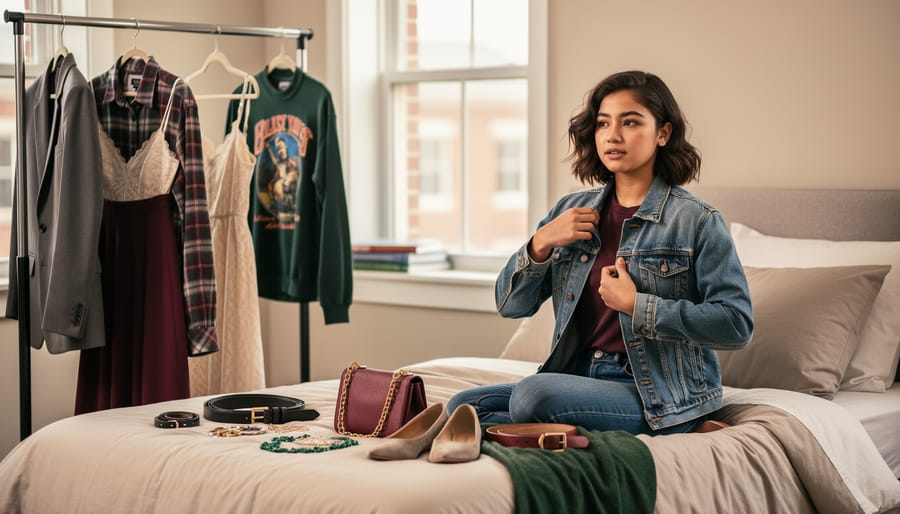
7 Style Influences to Steal for Your Best Influence-Inspired Fashion Looks
Your style isn’t random. It’s a reflection of the people, movements, and aesthetics that catch your eye and stick in your mind, whether you realize it or not. From the clean lines of minimalist Scandi design to the rebellious edge of ’90s grunge, these influences shape how you get dressed every single day. The best part? You can actively tap into these style movements to refresh your wardrobe, experiment with new looks, and figure out what actually feels like you.
Right now, college campuses are a melting pot of aesthetic influences. Walk across any quad and you’ll spot someone channeling old-money elegance, another pulling off indie sleaze, and someone else absolutely nailing cottagecore. These aren’t just trends you scroll past on TikTok. They’re fully formed visual languages with specific pieces, color palettes, and styling tricks you can borrow and remix.
The thing is, you don’t need a massive budget or a complete closet overhaul to experiment with these influences. Most of the time, it’s about understanding the vibe of each movement and working with what you already own, plus a few strategic thrift finds. Maybe you’re drawn to the soft, romantic elements of ballet core but also love the toughness of punk. You can blend them. That’s the beauty of style influences in 2026: there are no rules saying you have to pick one lane and stay there forever.
This guide breaks down seven major style influences that are resonating with students right now, along with the key pieces and styling moves that make each one work.
How We Chose These Style Influences
We didn’t just pull these seven influences out of thin air. Each one made the cut because it checked three crucial boxes: it’s actually doable on a student budget, it works across different parts of campus life (from lecture halls to coffee shop study sessions), and it’s genuinely part of the fashion conversation right now in 2026. We talked to students across Canadian campuses about what influences they’re drawing from, which aesthetics feel accessible versus aspirational, and what actually gets worn versus what just looks good on a mood board.
Budget was a major factor in our picks. Every influence on this list can be recreated without blowing your textbook fund, whether you shop in college breaks or hunt for secondhand gems year-round. We prioritized influences built on classic pieces you can find anywhere, not designer items or hyper-specific trends that’ll feel dated by next semester. The goal was to highlight aesthetics that inspire creativity and personal expression without requiring a trust fund to pull off.

1. ’90s Minimalism, Clean Lines for Busy Schedules

The ’90s minimalist aesthetic works because it strips away the noise. When you’re rushing between an 8 a.m. lecture and an evening shift, you don’t have time to overthink five different patterns or accessories. This influence revolves around a few quality basics in neutral tones, think slip dresses worn over fitted tees, simple white tanks tucked into straight-leg jeans, and clean-lined knits that look intentional without trying too hard.
What makes ’90s minimalism so practical for campus life is how easily pieces mix. A black slip dress can go over a white turtleneck for class, then stand alone with strappy sandals for dinner. Straight-leg jeans in black or light wash pair with literally everything in your closet. You’re building a capsule without meaning to, which matters when you’re living in a small dorm room or sharing closet space with roommates.
To recreate this influence without dropping serious cash, focus on these essentials:
- A midi slip dress in black, cream, or champagne silk or satin
- Crisp white tees and fitted long-sleeve tops for layering
- High-waisted straight-leg jeans in classic washes
- Minimalist white or black sneakers with clean lines
- A structured shoulder bag or simple tote in leather or faux leather
The styling trick is keeping proportions balanced. If you’re wearing an oversized blazer, pair it with fitted jeans. A loose tee looks better half-tucked into high-waisted trousers than left hanging. Canadian brands like Aritzia and Dynamite offer solid basics, but you’ll find student budget dresses and pieces at Zara, H&M, and even thrift stores that nail this aesthetic. The goal isn’t perfection, it’s looking like you have your life together, even when you’re running on three hours of sleep and iced coffee.
2. Academia Core, Channeling Scholarly Chic
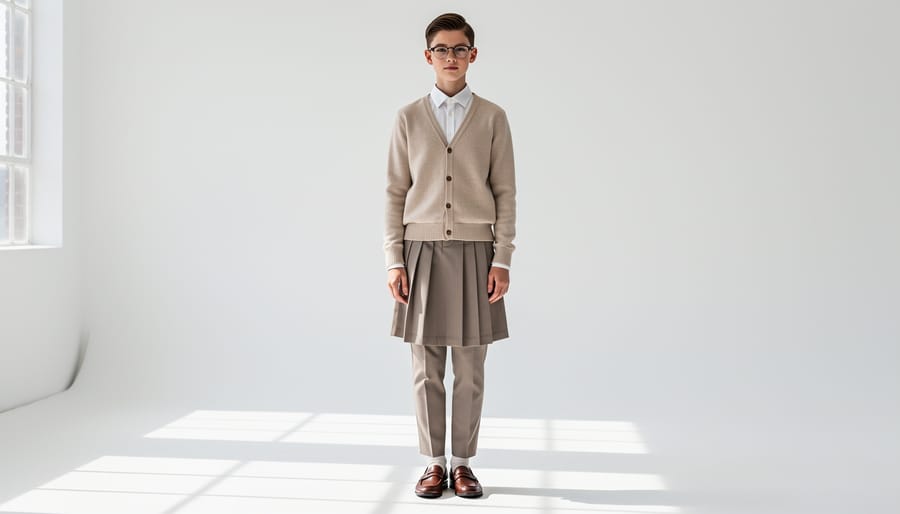
Academia core takes the preppy, bookish aesthetic we associate with Ivy League campuses and vintage libraries and makes it completely wearable for modern college life. The appeal is obvious: it’s polished without trying too hard, works for everything from seminars to coffee dates, and gives off that effortlessly put-together vibe we’re all chasing between assignments.
The foundation starts with cardigans. Think chunky knits in cream or forest green, or fitted versions you can button over a vintage tee. Pair them with pleated midi skirts in plaid or solid neutrals, the kind that move when you walk and look intentional without being stiff. High-waisted trousers work too, especially in wool blends that feel substantial. Loafers are your go-to shoe, whether you prefer penny loafers with jeans or Mary Janes for a softer touch.
The key to keeping academia core from feeling like you raided a costume shop is mixing textures and eras. Layer a chunky cardigan over a slip dress instead of the expected button-down. Throw an oversized blazer over a graphic tee and tailored pants. Swap the crisp white collar for a turtleneck in a rich burgundy or camel.
Accessories make it personal. A structured leather bag, gold-rimmed glasses (prescription or blue-light), simple gold jewelry, and a good watch all reinforce the scholarly vibe. Don’t be afraid to mess it up a little, roll your sleeves, leave your cardigan unbuttoned, pair loafers with thick socks.
The best part? Most of these pieces are thrift gold. Check vintage stores for real wool blazers, leather loafers that’ll last years, and unique knits that cost a fraction of new versions.
3. Streetwear Edge, Comfort Meets Confidence
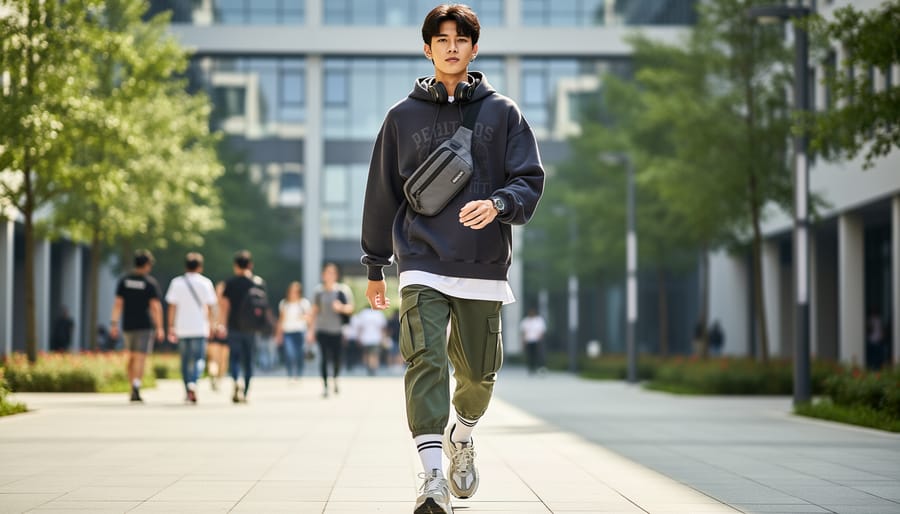
Streetwear brings an effortless cool to campus style that makes you look put-together while feeling like you’re wearing your coziest clothes. The beauty of this influence lies in its accessibility, you can build a solid streetwear-inspired wardrobe without breaking the bank, mixing thrifted finds with strategic new pieces that’ll last through multiple semesters.
Start with the foundation: a collection of oversized hoodies in neutral colors like black, grey, and cream. These work as your layering workhorses, thrown over everything from bike shorts for early morning classes to paired with straight-leg jeans for coffee runs. Look for ones with interesting details, a small logo, unique stitching, or a washed-out vintage feel, rather than plain basics that can read more pajama than intentional style.
Cargo pants have made a major comeback and they’re perfect for days when you need functionality without sacrificing style. The key is finding a pair that fits well through the waist and hips, even if the legs are relaxed. Canadian brands like Aritzia’s TNA line offer affordable options, or check out local thrift stores where you can often find vintage military cargos that just need a hem adjustment.
Chunky sneakers anchor the entire look. You don’t need the $200 designer versions, brands like New Balance, Skechers, and even Zara offer platform and chunky-sole options under $100. White or cream colorways are most versatile, but a bold pop of color can become your signature.
The real art of streetwear is mixing high and low. Pair that thrifted oversized band tee with new cargo pants, or wear your nicer hoodie with vintage jeans. This prevents the look from feeling too uniform or try-hard, giving you that “I just threw this together” vibe that actually took some thought.
4. Coastal Grandmother, Relaxed Elegance

If you’ve ever wanted to look like you just stepped off a beachside patio after brunch with your sophisticated aunt, coastal grandmother is calling your name. This influence trades chaos for calm, swapping busy patterns and tight fits for breezy fabrics and pieces that actually let you breathe between lectures.
The aesthetic centers on natural textures and a palette that wouldn’t look out of place in a sun-drenched beach house: cream, sand, soft white, navy, and the occasional pale blue. Think linen button-downs you can wear three different ways, wide-leg trousers that make you feel pulled together without trying, and lightweight knit sweaters perfect for those unpredictable Canadian spring days when the morning starts cold but the afternoon gets warm.
The beauty of this influence for campus life is how effortlessly it elevates your everyday. A crisp white button-down tucked into high-waisted linen pants looks infinitely more intentional than jeans and a hoodie, but takes the same amount of time to throw on. Add canvas sneakers or leather sandals depending on the weather, and you’ve got a look that works for presentations, coffee dates, or weekend farmers market trips.
Start with one or two key pieces rather than overhauling your entire wardrobe. A quality linen shirt from Uniqlo or a thrifted pair of wide-leg trousers gives you the foundation. Layer a chunky cardigan over a simple tank, or tie a button-down at the waist over a slip dress you already own. Coastal grandmother isn’t about perfection or expensive labels. It’s about looking like you have your life together, even when you’re surviving on four hours of sleep and instant coffee.
5. Y2K Revival, Nostalgic Playfulness

Y2K fashion is having its moment again, and honestly? It’s way more wearable this time around. The early 2000s gave us some questionable choices (ultra-low-rise everything, Juicy tracksuits, trucker hats with every outfit), but the current revival cherry-picks the fun stuff while leaving the rest in the past. You’re not trying to recreate your older sister’s 2003 yearbook photo, you’re borrowing the playful, experimental energy that made Y2K fashion exciting in the first place.
The beauty of Y2K influences right now is that you can incorporate them without looking like you’re wearing a costume. A cropped baby tee paired with high-waisted jeans gives you that nostalgic silhouette without the aggressive midriff exposure. Butterfly motifs show up on jewelry, hair clips, and bag charms instead of dominating entire outfits. Those tiny sunglasses? They actually look cool again, especially the oval and rectangular shapes. Colorful accessories, think beaded phone charms, mini shoulder bags in metallics or bright hues, chunky platform sandals, inject personality into otherwise simple outfits.
Here’s what actually works for campus in 2026:
- Updated baby tees with longer torsos that hit right at your waistband
- Modern low-rise styling: jeans or skirts that sit just below your natural waist, not at your hip bones
- Colorful mini bags in metallics, pastels, or bold brights that add a pop to neutral outfits
- Platform shoes, sneakers, sandals, or Mary Janes, that give height without the 2000s stripper-heel vibe
The key is mixing Y2K pieces with current proportions. Pair that baby tee with wide-leg jeans instead of ultra-skinny ones. Style low-rise pieces with longer tops or layered tanks so you’re not constantly adjusting. Add one colorful, playful accessory to an otherwise minimal outfit rather than going full head-to-toe rainbow.
Y2K influence works best when it feels fun, not forced. You’re channeling the confidence and experimentation of that era without recreating it exactly.
6. Scandi Style, Functional Fashion Forward
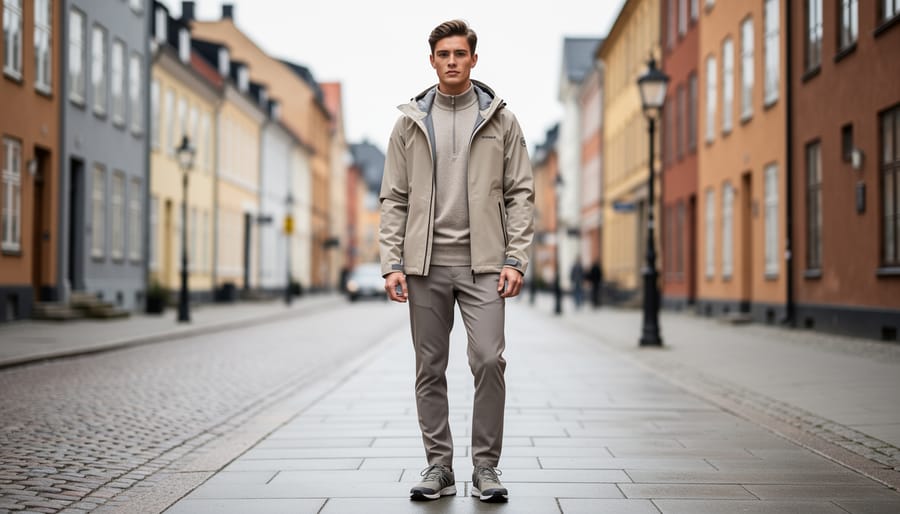
Scandi style is basically what happens when minimalism meets actual practicality, and for Canadian college students dealing with unpredictable weather, it’s honestly a lifesaver. The Scandinavian approach to fashion centers on quality basics in muted tones (think oatmeal, charcoal, soft grey, and cream) that you can layer endlessly without looking bulky. It’s the aesthetic of brands like COS and Arket, but you don’t need those price points to nail the vibe.
Start with a solid base of well-fitting essentials: a merino wool sweater, tailored trousers in a neutral shade, and a structured coat that actually keeps you warm. Scandi style doesn’t chase trends, it invests in pieces you’ll wear for years. A quality wool blend coat might cost more upfront, but when you’re wearing it three seasons a year for the next four years, the math works out. Same goes for leather boots that can handle slush and still look polished.
The beauty of this influence is how it handles color. While the foundation stays neutral, Scandinavians aren’t afraid of a rust-toned scarf, a forest green turtleneck, or even a pop of red in accessories. It’s controlled and intentional, not overwhelming. Layer a cream turtleneck under a grey blazer, add straight-leg black jeans and Chelsea boots, then bring in warmth with a camel scarf.
For beauty, keep it equally unfussy, clean skin, groomed brows, maybe a swipe of our budget mascara review favorite for definition without drama. Scandi style proves that functional doesn’t mean boring; it means you’ve thought about what actually works.
7. Thrift Store Eclectic, Sustainable Individuality
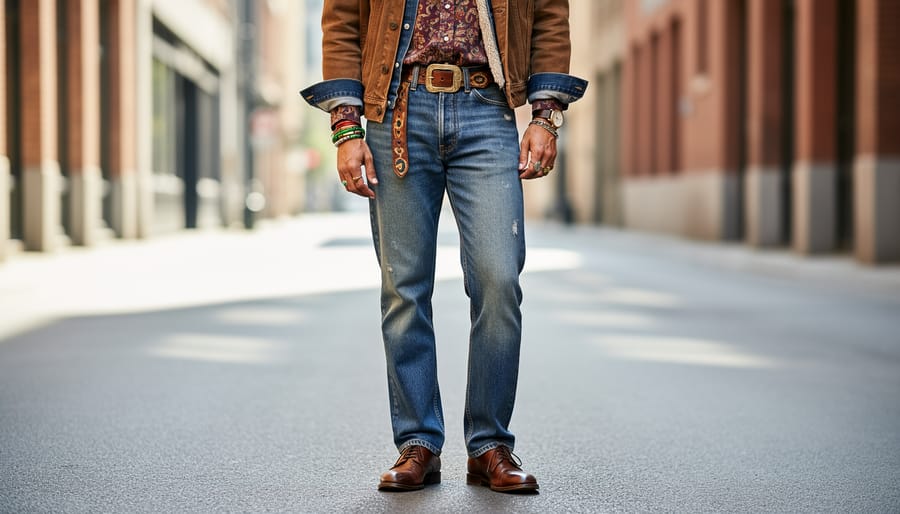
Thrift shopping has become one of the most exciting style influences on campus, turning sustainable choices into creative expression. Instead of following a single aesthetic rulebook, thrift store eclectic celebrates mixing a ’70s blouse with ’00s jeans, pairing vintage band tees with modern tailored pants, or layering different decades into one cohesive outfit that nobody else could replicate.
The beauty of this influence is how it naturally pushes you toward authenticity. When you’re digging through racks at Value Village or your local consignment shop, you’re not seeing the same mass-produced pieces everyone else bought last week. You’re finding that perfect oversized blazer with interesting buttons, a silk scarf in an unexpected print, or a leather bag with actual character. Each piece tells a story, and building your wardrobe this way means your style becomes genuinely yours rather than an algorithm’s prediction.
Start by identifying a few anchor pieces in neutral tones, think quality denim, classic trench coats, simple knits, that can ground your more eccentric finds. Then get experimental. That vintage floral dress works as a layering piece over a turtleneck. Those men’s dress pants can be your new favorite trousers with a belt and a cuff. The goal isn’t to look like you’re wearing a costume from a specific era but to pull elements from different influences into something that feels current and completely you.
Budget-wise, thrifting stretches your money impossibly far. Twenty dollars at a fast fashion store gets you one trendy top that’ll fall apart by reading week. That same twenty at a thrift store could score you three quality pieces that last years and actually improve your wardrobe’s versatility.
Making These Influences Your Own
The coolest thing about these seven influences? They’re not meant to be followed like strict rules. Your personal style gets interesting when you pull a little ’90s minimalism, add some academia pieces, throw in a thrifted statement jacket, and make it completely yours. That’s the whole point, these influences are starting points, not destinations.
Start small if you’re feeling overwhelmed. Pick one or two influences that genuinely excite you and build from there. Maybe you’re drawn to the clean lines of minimalism but love the playfulness of Y2K accessories. Perfect. Mix them. The fashion police aren’t real, and the most stylish people on campus are the ones who look like they’re having fun getting dressed.
Can I mix multiple influences in one outfit?
Absolutely. The best outfits often blend influences, like pairing Scandi basics with streetwear sneakers or adding Y2K accessories to a coastal grandmother base. Mixing is how you create something that’s uniquely yours.
How do I avoid looking too trendy or dated?
Balance trend pieces with timeless basics. If you’re trying a strong Y2K moment, ground it with classic jeans or a simple blazer. Choose influences that actually resonate with your lifestyle rather than what’s just popular online.
What if my budget is really tight right now?
Focus on thrifting and building slowly. One quality basic or one perfect vintage find beats ten fast fashion pieces you’ll never wear. Start with the influences that work with what you already own.
Trust your gut. If something feels off when you look in the mirror, it probably is, for you. Style confidence comes from wearing what makes you feel like yourself, not what looks good on someone else’s grid. Take what speaks to you from these influences, leave the rest, and remember that your wardrobe is always evolving, just like you are.
Leave a Reply