
How Much Does a Student Rental Basement Renovation Cost in Kitchener? (2026)
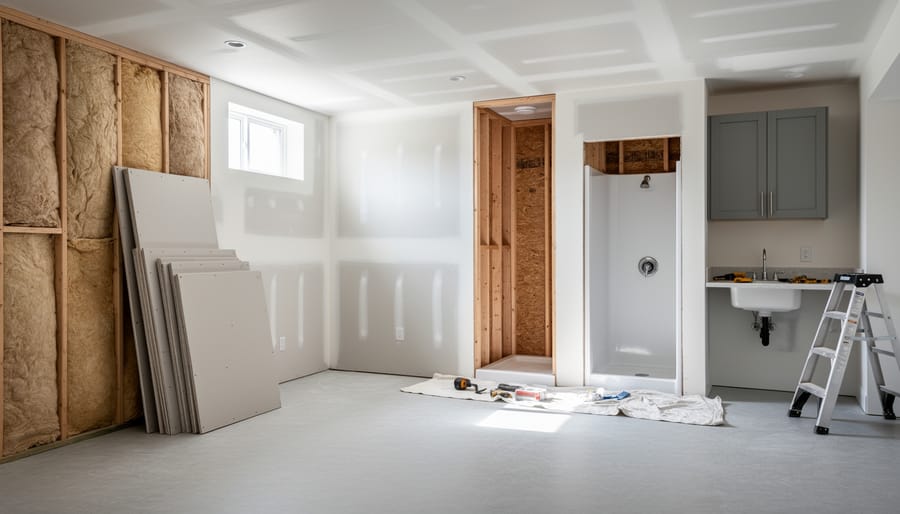
Renovating a basement for student rentals in Kitchener typically costs between $25,000 and $75,000 for a 1,000-square-foot space, working out to roughly $25 to $75 per square foot in 2026. If you’re eyeing a smaller 400 to 600 square foot suite, you’re looking at $10,000 to $30,000 for a solid transformation that’ll actually attract renters. The final price tag depends heavily on your finish level, how much of the space you’re converting, whether you’re adding a bathroom or kitchenette, and the quality of materials you choose.
Here’s the thing about student rentals: you don’t need marble countertops or a spa bathroom. Students care way more about function, durability, and clean aesthetics than luxury finishes. That means you can absolutely create a competitive rental on the lower end of that range if you’re strategic about where you spend. A basic finish with proper framing, insulation, drywall, decent flooring like vinyl plank, and recessed lighting hits the sweet spot for most student tenants without breaking your budget.
The biggest cost drivers? Adding a bathroom will bump your budget significantly, as will any structural changes or custom built-ins. Mid-range projects that include a full bath, upgraded flooring, and better lighting fixtures typically land in the $35,000 to $50,000 range for standard basements. You can explore detailed breakdowns at pdrenovations.ca/basement-renovations-costs-waterloo-region/ to see how different scope choices affect your bottom line in Waterloo Region specifically.
What You’ll Actually Pay: Basement Renovation Costs in Kitchener
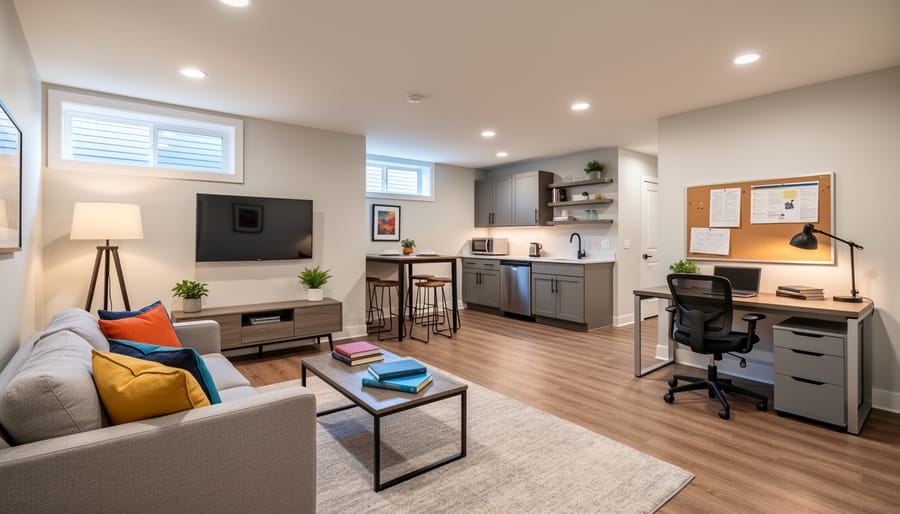
Let’s talk real numbers. If you’re renovating a basement in Kitchener to rent out to students in 2026, you’re looking at somewhere between $35,000 and $100,000 for a standard 700 to 1,000 square foot space. That’s a big range, and where you land depends on how fancy you’re going and what condition the basement is in to start with.
The easiest way to wrap your head around pricing is to think per square foot. Most basement remodels land between $25 and $75 per square foot in 2026, though you can sometimes pull off a really basic finish for $15 to $25 per square foot if the basement is already in decent shape and you’re keeping things minimal. For a 1,000-square-foot project, that $25 to $75 per square foot range puts your budget at $25,000 to $75,000.
For student rentals specifically, you’re usually not going for the high-end finishes. Most landlords stick to the lower to middle part of that range because students need functional, clean spaces, not custom millwork and imported tile. A solid mid-range finish that includes a bathroom, decent flooring, proper lighting, and fresh paint usually hits the sweet spot for rental appeal without overspending. We’ll break down exactly what you get at each price point in the next sections, but knowing these baseline numbers helps you start planning realistically for what a student-ready basement renovation will actually cost.
Basement Renovation Costs by Finish Level
Basic Finish: The Budget-Friendly Option
If you’re renovating a basement for student renters in Kitchener, the basic finish is your sweet spot. You’re looking at $25 to $40 per square foot in 2026, which translates to roughly $17,500 to $28,000 for a typical 700-square-foot space. That’s a solid investment without draining your savings account.
Here’s what basic actually includes: framing out the walls, proper insulation (important in Canadian winters), drywall, recessed pot lights for decent brightness, vinyl plank flooring or basic carpet, and a fresh coat of paint. It’s clean, functional, and safe, everything a student needs without the fancy extras they probably won’t notice anyway.
This level works perfectly for student rentals because it keeps your costs predictable while creating a livable space. Students care more about reliable heating, good lighting for late-night studying, and flooring that won’t feel gross than they do about designer finishes. A basic renovation hits all those notes, gets the job done fast, and helps you start earning rental income sooner rather than later. Plus, if something gets damaged down the line (it happens), you’re not replacing expensive materials.
Mid-Range Finish: Adding Value Without Breaking the Bank
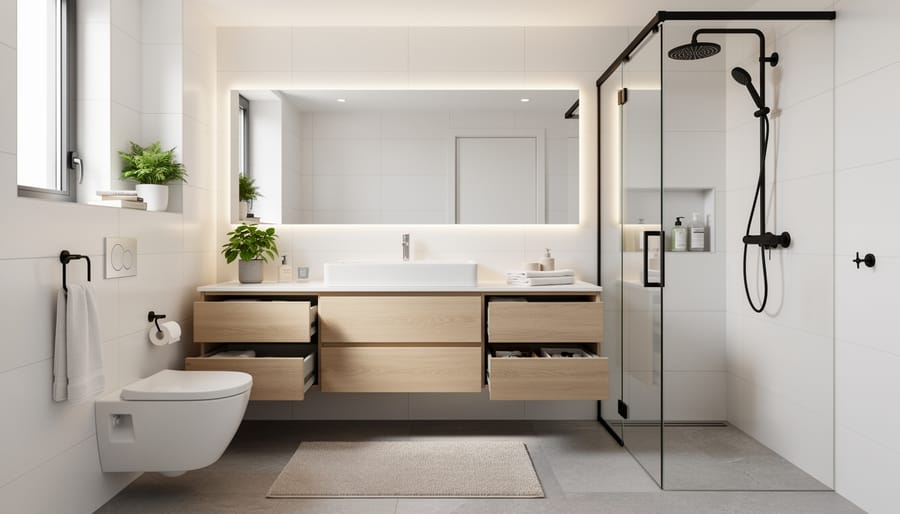
Mid-range finishes strike that sweet spot between durability and affordability, perfect for student rentals where you want tenants to feel comfortable without pricing yourself out of the market. Think of this as the level where you’re creating a space students will actually want to live in and show off to friends.
In Kitchener, mid-range basement finishes typically run $40-$75 per square foot in 2026. For a 700-square-foot basement, you’re looking at roughly $28,000-$52,500. What sets this apart from basic? You’re adding the amenities that genuinely boost rental appeal.
At this level, you get everything from the basic package, solid framing, proper insulation, drywall, lighting, and flooring, plus some game-changers. A functional bathroom is the big one (students hate sharing), along with thoughtful built-ins like closet systems or a study nook. You’ll also choose finish style upgrades: better flooring options like laminate wood-look planks that handle spills, improved lighting fixtures that aren’t just builder-grade, and maybe a fresh coat of trendy paint colors.
This is where smart landlords land. The bathroom alone justifies higher rent, and those quality touches mean fewer maintenance headaches down the road. Students notice when a space feels cared for, and that translates to longer leases and tenants who treat the place better.
High-End Finish: When You’re Going All Out
Okay, real talk: a high-end basement finish is gorgeous, but it’s probably overkill for student rentals. We’re talking $75 to $100+ per square foot here, which pushes a 700-square-foot basement well over $50,000 and closer to the $100,000 mark for more ambitious projects.
What does that price tag get you? Think structural changes like removing load-bearing walls to open up the space, a full bathroom with a soaking tub or walk-in shower, maybe even a kitchenette with quality appliances. You’re adding custom millwork, built-in entertainment centers, hardwood or luxury vinyl plank flooring, designer light fixtures, and premium finishes throughout. It’s the kind of space that looks straight out of a design magazine.
Here’s the thing: students generally don’t need (or expect) marble countertops and custom cabinetry. They want functional, clean, and comfortable. Unless you’re targeting grad students or young professionals willing to pay significantly higher rent, that extra investment won’t pay off in student housing. You’ll spend thousands more without seeing much rental income increase. Save the high-end finish for a personal space or a luxury rental market where tenants will actually value and pay for those upgrades.
Where Your Money Actually Goes
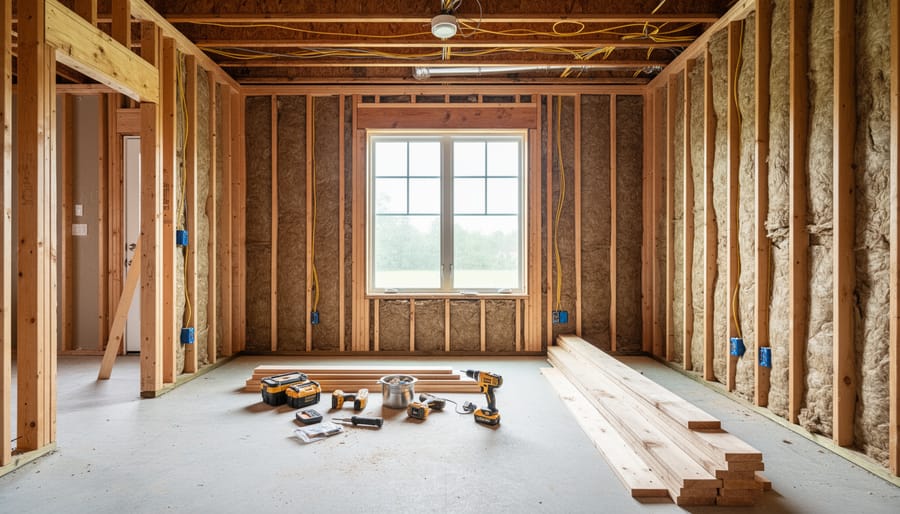
Understanding where your renovation dollars go helps you plan smarter and spot where you might want to invest more, or where you can trim back. While every basement project is unique, certain cost categories consistently eat up the biggest chunks of your budget.
The major expense areas in a typical basement renovation break down into a few key categories. Labour typically forms the largest portion of your spending, especially when you’re hiring licensed professionals for electrical, plumbing, and structural work that needs permits and inspections. Materials come next, and this is where your finish level choices really show up in the numbers, that premium vinyl plank flooring costs way more than basic carpet, and custom millwork isn’t even in the same universe as standard shelving.
Here’s where your budget typically gets allocated:
- Labour costs for framing, drywall, electrical, plumbing, and finishing work
- Building materials including lumber, insulation, drywall, flooring, and paint
- Fixtures and finishes like lighting, bathroom elements, doors, and trim
- Permits and inspections required by Kitchener building codes
- Mechanical systems such as heating extensions, ventilation improvements, and electrical panel upgrades
- Unexpected issues like moisture remediation, foundation repairs, or code compliance updates
For student rental properties specifically, you’ll want to allocate enough for durable, low-maintenance materials that can handle turnover between tenants. That might mean spending a bit more upfront on waterproof vinyl flooring instead of carpet, or choosing semi-gloss paint that wipes clean easily. Smart spending on the right durability features now saves you repair costs later when you’ve got multiple students living downstairs.
The bathroom is almost always a major expense if you’re adding one, think several thousand dollars just for that space, but it dramatically increases rental appeal and the number of potential tenants who’ll consider your property. Same goes for proper lighting and climate control; students notice when a basement feels like an actual living space versus a dungeon.
What Makes Your Basement Renovation More (or Less) Expensive
The difference between a $25,000 basement renovation and a $75,000 one isn’t just about choosing fancy tile, it’s about a bunch of underlying factors that either keep costs manageable or send them skyrocketing. If you’re planning a student rental basement in Kitchener, understanding these cost drivers helps you make smart choices about where to spend and where to save.
- Starting condition: A dry, open basement with no water issues costs way less than one that needs foundation repairs, waterproofing, or mold remediation before you even start framing
- What you’re building: Adding a basic bedroom and rec room is straightforward; adding a full bathroom or kitchenette means plumbing, electrical, and ventilation work that doubles the complexity
- Finish level: That $25-$40 per square foot basic finish versus $75+ high-end comes down to materials, vinyl plank versus hardwood, basic recessed lights versus custom fixtures
- Structural changes: Knocking down walls, moving support beams, or adding egress windows requires engineering, permits, and skilled labor that basic framing doesn’t
- Material choices: Builder-grade everything keeps costs down; upgrading to name-brand fixtures, thicker drywall, or better insulation adds up fast
- Layout complexity: A simple rectangular space is cheaper to finish than one with lots of angles, bulkheads to frame around, or existing obstacles like furnaces and water heaters
The single biggest wildcard is what’s already there. If the basement’s been used for storage and is basically sound, you’re golden. But if you discover water seepage, outdated wiring that needs upgrading to handle the new load, or inadequate headroom that means lowering the floor, those issues have to get fixed first, and they’re not cheap. Water problems alone can add $5,000 to $15,000 before you even think about the pretty stuff.
For student rentals specifically, you can actually work these factors to your advantage. Students need functional, clean, safe spaces, not marble counters. That means you can choose the basic finish level, skip structural changes if the layout already works, and focus your budget on the essentials: good lighting, decent flooring that’ll handle traffic, and a bathroom if you’re creating a separate unit. The smart play is spending on durability and code compliance rather than aesthetics that’ll get trashed in a year anyway.
The other reality? Labor availability and timing. Contractors book up fast in Kitchener, and rushed timelines or working around the academic calendar can mean paying more. Getting quotes in the off-season and allowing flexible timelines can shave thousands off the final bill.
DIY vs. Hiring Pros: What Makes Sense for Your Budget
When you’re staring at a $25,000 to $75,000 renovation quote for your basement, the temptation to grab some tools and DIY your way to savings is real. But basement work isn’t the same as painting your bedroom or installing floating shelves, especially when you’re creating a space that students will rent and that needs to meet Ontario’s rental property standards.
The truth? Some parts of a basement renovation are absolutely DIY-friendly, while others are penny-wise, pound-foolish territory. Painting, for instance, is a no-brainer if you’ve got the time. Same goes for demolition work like tearing out old drywall or ripping up worn carpet. These tasks are labour-intensive but straightforward, and doing them yourself can shave a few thousand off your budget without compromising quality or safety.
But here’s where it gets tricky. Electrical work, plumbing, structural framing, and HVAC modifications all require permits in Kitchener, and for good reason. When you’re renting to students, you’re responsible for their safety. A DIY electrical job that doesn’t meet code isn’t just a failed inspection; it’s a liability if something goes wrong. Ontario landlord-tenant law holds you accountable for maintaining safe, habitable conditions, which means cutting corners on essential systems can come back to bite you legally and financially.
Pros
- DIY demolition and painting can save $3,000-$5,000 in labour costs on a typical basement.
- You maintain complete control over timeline and can work around your schedule.
- Simpler finishing tasks like trim installation or basic flooring are manageable with research and patience.
Cons
- Electrical, plumbing, and structural work require permits and licensed professionals to pass inspection.
- DIY mistakes often cost more to fix than hiring professionals upfront would have.
- As a landlord, code violations or safety issues expose you to legal liability with student tenants.
- Time investment is significant, what takes a pro crew two weeks might take you two months.
A smart middle ground? Hire licensed contractors for anything that needs a permit, electrical, plumbing, major framing, gas lines, and handle the finishing touches yourself. This approach keeps your renovation legal and safe while still trimming costs where it makes sense. Get multiple quotes, ask contractors what prep work you can do to reduce their hours, and be realistic about your skill level and available time. Your future tenants deserve a space that’s built right, and your bank account deserves a renovation that doesn’t require expensive do-overs.
Planning Your Student Rental Basement Scope
Start with what students actually need, not every feature you’ve seen on Pinterest. A functional bathroom matters way more than a statement wall, and adequate lighting beats fancy fixtures every time. When you plan renovation timeline for a student rental basement, focus on durability and livability rather than Instagram-worthy details that’ll need constant maintenance.
- Walk the space with fresh eyes and note natural light sources, ceiling height, and access points, these dictate your layout options.
- List non-negotiables first: working bathroom, safe egress, proper lighting, and enough electrical outlets for students’ devices and study setups.
- Add value where it counts: separate bedroom spaces if possible, built-in storage, and sound insulation from upstairs living areas.
- Skip the extras that won’t boost rent: expensive flooring upgrades students won’t notice, elaborate millwork, or trendy finishes that date quickly.
- Get quotes for your must-haves before adding anything else, then see what budget remains for nice-to-haves.
Current rental trends in Kitchener show students prioritize private bedrooms, reliable internet setup, and in-unit laundry access over high-end finishes. A basic to mid-range finish between $25 and $75 per square foot typically delivers everything needed for competitive student housing. That range gives you proper framing, drywall, decent flooring, a bathroom, and adequate storage without the premium costs that don’t translate to higher rent.
Think about move-in budgeting from your future tenants’ perspective. They want a clean, safe space that feels finished, not a luxury suite. Invest in renter comfort upgrades like good insulation for climate control and noise reduction, proper ventilation to prevent mustiness, and enough closet space that they’re not living out of suitcases. These practical touches improve their experience and protect your investment far better than granite countertops or designer light fixtures ever will.
Common Questions About Basement Renovation Costs
How long does a basement renovation typically take?
Most basement renovations take between 4 to 12 weeks, depending on the scope and whether you’re doing a basic finish or adding a bathroom and kitchenette. Permit approvals can add a few weeks to the timeline, so factor that into your planning if you’re hoping to have the space ready for the next school year.
Do I need a permit to renovate a basement for student rentals in Kitchener?
Yes, you’ll need permits for most basement renovations in Kitchener, especially if you’re adding plumbing, electrical work, or converting the space into a rental unit. The city has specific requirements for student housing and secondary suites, so check with Kitchener’s building department early in your planning process.
What’s the most cost-effective way to add value to a student rental basement?
Focus on the basics that students actually care about, good lighting, durable flooring, a functional bathroom, and adequate storage. A mid-range finish in the $40 to $75 per square foot range usually hits the sweet spot, giving you rental appeal without over-investing in finishes that won’t increase what students are willing to pay.
Can I save money by doing part of the renovation myself?
You can save on painting, installing vinyl flooring, and building basic storage, but leave plumbing, electrical, and structural work to licensed professionals. Not only is it safer and up to code, but landlords in Kitcheen need to ensure rental properties meet all safety standards, DIY mistakes can cost more to fix later and create liability issues.
When you’re budgeting for your basement renovation, remember that the upfront investment pays off over time through rental income. Getting multiple quotes from contractors helps you understand what’s realistic for your specific space and goals. Don’t be shy about asking contractors to break down their estimates by category, it makes it easier to see where you might adjust the scope if you need to trim costs.
The student rental market in Kitchener is competitive, but you don’t need to build a luxury suite to attract good tenants. Students want clean, functional spaces with the basics done right. A well-planned renovation in the $35,000 to $75,000 range for a typical basement can create housing that students actually want to live in while building equity in your property.
Renovating a basement for student rentals in Kitchener doesn’t have to feel overwhelming once you’ve got the numbers in front of you. Whether you’re looking at that $25,000 basic refresh or going closer to $75,000 for something more polished, the key is planning a scope that actually makes sense for your budget and your rental goals. Students need functional, comfortable spaces, not marble countertops, so focus your dollars where they’ll matter most: solid structure, good lighting, a clean bathroom, and durable finishes that can handle wear and tear.
Get at least three quotes from contractors who’ve done student housing before. They’ll understand the balance between cost and durability better than someone used to luxury builds. And honestly? Don’t skip the permit process or try to DIY everything just to save a few hundred bucks. Code compliance protects you and your tenants, and it’ll save headaches down the road.
The best part about a smart basement renovation is that it’s not just an expense, it’s an investment. You’re creating housing that students actually want to live in while building equity in your property. Take your time with the planning, be realistic about what you can spend, and remember that even a mid-range finish can turn a bare basement into a rental that stands out in Kitchener’s competitive student market. You’ve got this.
Leave a Reply