
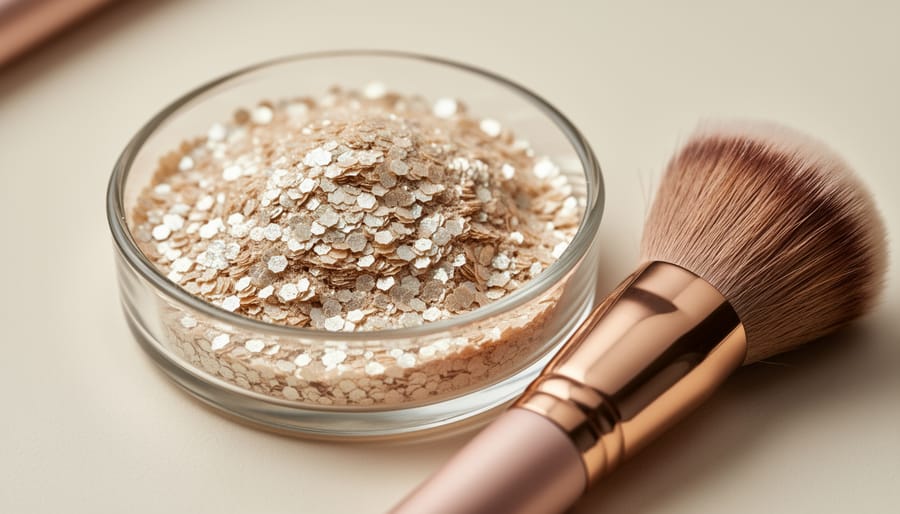
Mica: The Mineral That Makes Cosmetics Shimmer
The Quick Answer: Mica Makes Your Makeup Glow
That soft, luminous shimmer in your highlighter, eyeshadow, and basically every glowy product in your makeup bag? It’s mica, a naturally occurring mineral that cosmetics brands rely on to give your skin that flawless, polished finish. Whether you’re scrolling ingredient lists on your go-to drugstore bronzer or splurging on a new palette, mica is the ingredient creating that signature sparkle and 3D effect that makes your complexion look radiant and youthful.
As more of us dig into what we’re actually putting on our faces (hello, ingredient-savvy Gen Z), understanding mica isn’t just about being informed. It’s about making smarter beauty choices that fit your values and your student budget. This mineral shows up in everything from pressed powders to liquid illuminators, and knowing how it works, where it comes from, and what to watch for can totally change how you shop for makeup. Plus, there are some real conversations happening around ethical sourcing that every conscious beauty lover should know about before tossing another shimmery product in their cart.
What Exactly Is Mica and Where Does It Come From?
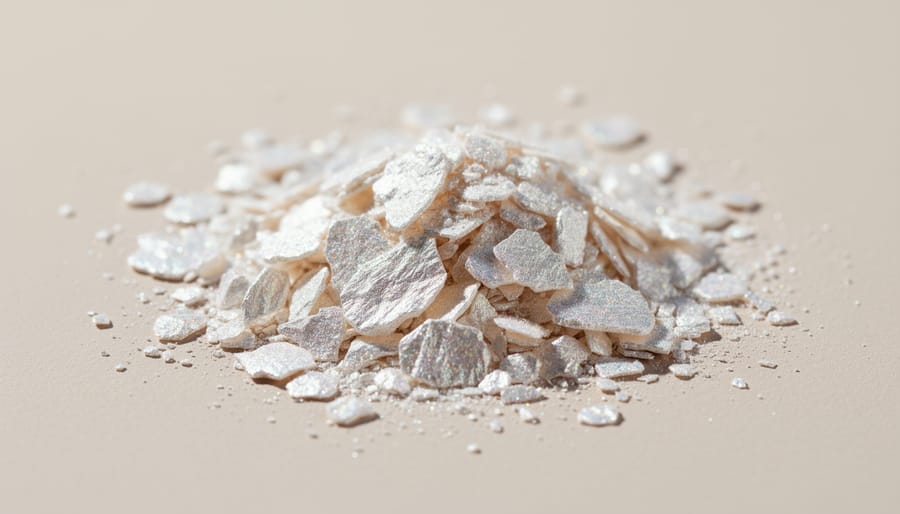
Mica is actually a group of naturally occurring minerals found in rocks all over the world, think granite, schist, and other formations that have been around for millions of years. What makes it special for cosmetics is its unique layered structure. Picture sheets of mineral that can be split into super thin, almost transparent flakes. These flakes are what create that coveted shimmer effect in your makeup. Unlike glitter, which is chunky and obvious, mica particles are fine enough to blend seamlessly into formulas while still catching and reflecting light in all the right ways.
So where does it come from? The majority of cosmetic-grade mica is mined in countries like India, China, and parts of Africa and South America. After it’s extracted from the earth, the raw mica goes through a refining process where it’s ground into different particle sizes and often coated with various minerals to create different color effects, that’s how you get those rose gold, champagne, and bronze shimmers. Some brands also use synthetic mica created in labs, which offers more consistency and sidesteps some ethical concerns we’ll dig into later.
The processing turns rough mineral chunks into those silky-smooth powders and creams you swipe on daily. Whether it’s the highlight on your cheekbones or the shimmer in your favorite eyeshadow palette, that glow started deep in the earth as layers of mineral formed over geological time.
How Mica Creates That Coveted Glow
The Light-Reflecting Magic
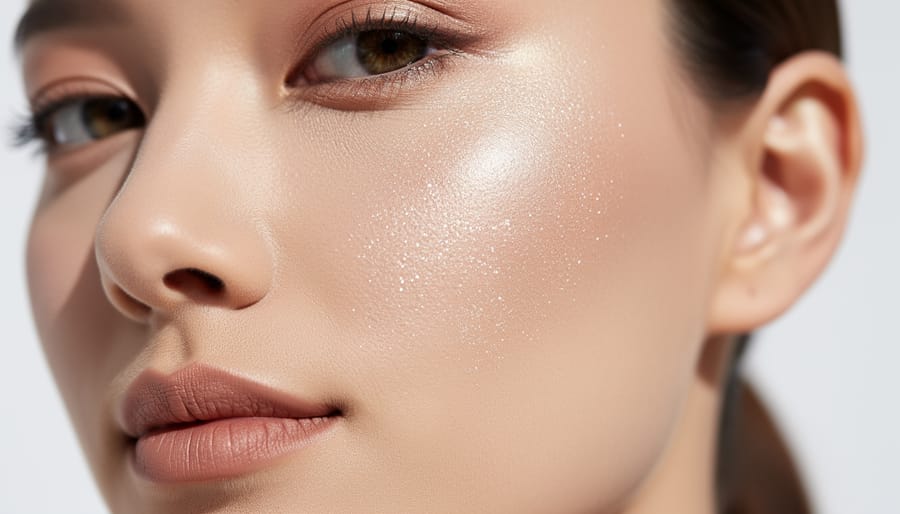
Think of mica particles as microscopic mirrors scattered across your skin. Each tiny flake has a flat, layered structure that acts like a mini reflector, catching light from different angles and bouncing it back toward anyone looking at you. That’s what creates that lit-from-within glow you see when you swipe on a highlighter or blend out a shimmery eyeshadow.
The magic happens because mica doesn’t just reflect light in one direction, it scatters it. When you layer multiple mica particles in a product, they overlap and create depth, giving your skin that three-dimensional, polished effect rather than flat sparkle. This is why a good highlighter makes your cheekbones look sculpted and alive, not just glittery.
In eyeshadows, those mica flakes catch overhead lighting and make your lids look dimensional instead of one-note matte. In liquid highlighters, suspended mica particles move with your facial expressions, creating that dynamic, healthy-looking radiance. The mineral essentially tricks the eye into seeing your skin as smoother and more luminous than it actually is, which is exactly why it’s become the go-to ingredient for that coveted glow.
Why It Works So Well in Different Formulas
Mica’s real superpower? It plays nice with basically every formula you’ll find in your makeup bag. Unlike some ingredients that only work in specific textures, mica particles are ridiculously versatile.
In powder products like eyeshadows and setting powders, mica mixes evenly throughout because it’s already in a dry, finely-milled form. The particles stay suspended in the powder base, so you get consistent shimmer with every swipe. This is why your favorite drugstore eyeshadow palette can deliver smooth, even sparkle without clumping.
Cream formulas are where things get interesting. Mica particles get coated with oils or silicones that let them blend into creamy highlighters, stick bronzers, and tinted moisturizers without separating. The result is that dewy, lit-from-within glow that looks natural instead of chunky. You can build it up or keep it subtle depending on how much you apply.
Liquid products work similarly, mica gets suspended in the base so it doesn’t sink to the bottom of your bottle. This is why liquid highlighters and illuminating primers give you that all-over radiance without visible glitter particles. The shimmer stays put exactly where you want it, whether you’re mixing it into foundation or dotting it on your cheekbones.
Where You’ll Find Mica in Your Makeup Bag
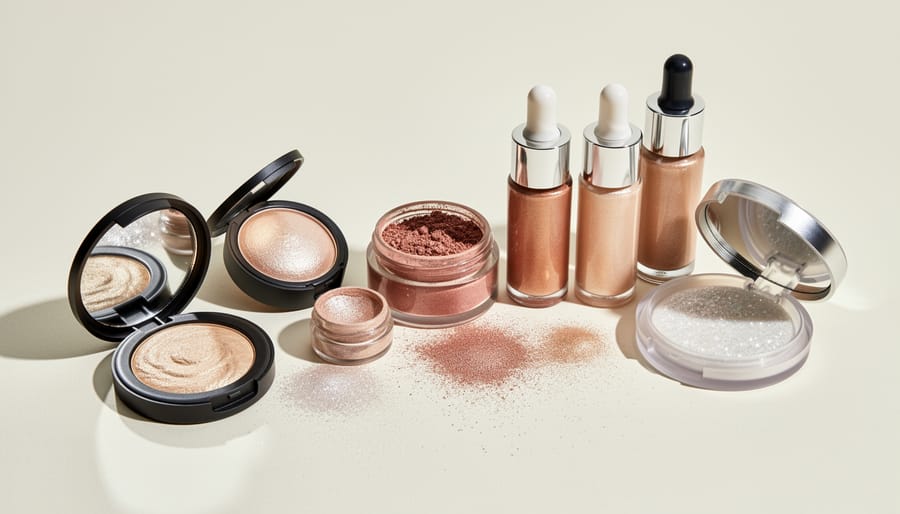
Grab any makeup product that catches the light, and chances are mica is listed somewhere on that ingredient panel. This mineral shows up in way more places than you might think, making it basically unavoidable if you’re into anything with a glow.
Eyeshadows are mica’s natural habitat. From subtle satin finishes to full-on metallic lids, that dimensional shimmer comes from mica particles doing their light-reflecting thing. Budget-friendly palettes at Shoppers Drug Mart or Walmart pack serious mica content, giving you that expensive-looking shine without the department store markup.
Highlighters are pure mica magic. Whether you’re team liquid glow or powder beam, mica creates that lit-from-within effect across your cheekbones. Even cream highlighters in a stick format rely on this mineral to deliver that soft-focus radiance that photographs beautifully.
Blushes and bronzers often contain mica for a subtle luminosity that keeps your complexion from looking flat or matte. It’s not full shimmer, just enough light reflection to make your skin look naturally healthy and dimensional. Korean makeup brands especially nail this barely-there glow that works for everyday campus looks.
Lip glosses get their shine partly from mica, creating that plump, reflective pout without relying solely on sticky oils. Some lipsticks with a sheen finish incorporate mica too, though matte formulas typically skip it.
Body shimmer productsfrom lotions to sprays, load up on mica for that festival-ready glow or summer skin effect. These tend to have larger mica particles for maximum visible sparkle.
Check your own stash tonight. You’ll probably spot mica listed on at least half your products.
Reading Your Ingredient Labels Like a Pro
Flip over any eyeshadow palette or highlighter compact and you’ll see a tiny ingredient list crammed with scientific names. Mica usually appears near the top, sometimes listed plainly as “mica” and other times under fancier variations like “CI 77019” (its colour index number) or “synthetic fluorphlogopite” (a lab-created version that behaves similarly). If you spot these terms, you know shimmer is coming your way.
Before you grab that gorgeous product off the shelf, check whether it actually contains mica if you want that luminous glow. Some matte formulas skip it entirely, while others load up for maximum sparkle. The ingredient list follows a descending order by weight, so mica appearing early signals serious shimmer payoff, while a spot near the end means subtle radiance.
Smart shopping on a student budget means reading labels before buying. Drugstore brands like Essence and NYX list mica clearly, making it easy to predict the finish you’ll get. If you’re hunting for specific products that deliver that glow without breaking the bank, our buying guide covers affordable options with ingredient transparency.
Pro tip: snap a photo of ingredient lists when you’re in-store and search any unfamiliar terms later. Building your ingredient literacy saves money, prevents disappointment, and helps you curate a makeup collection that actually works for your look. You’ll quickly develop an eye for which products deliver the shimmer you’re after and which ones you can skip.
The Ethical Side of Shimmer: What College Consumers Should Know
Okay, real talk: that gorgeous glow in your favorite highlighter comes with some baggage we need to discuss. A lot of mica is mined in regions like India and Madagascar where labor conditions aren’t always ideal. Reports have linked mica extraction to child labor in some mining communities, where families rely on this work to survive. It’s messy and uncomfortable, and honestly, there’s no perfect answer.
Here’s the thing, most of us aren’t going to completely ditch shimmery makeup. But we can make more informed choices. Start by looking for brands that publicly commit to ethical sourcing. Some companies work with certified suppliers or participate in initiatives that aim to improve mining conditions. You’ll sometimes see terms like “synthetic mica” or “lab-created mica” on ingredient lists, which sidesteps the mining issue entirely while still giving you that luminous effect.
Check brand websites for transparency. Companies serious about ethical sourcing usually aren’t shy about it, they’ll have info about their supply chains or partnerships with fair trade organizations. If you can’t find anything after a quick search, that might tell you something too.
Being a conscious consumer doesn’t mean you need a degree in supply chain ethics. It just means asking questions and supporting brands that actually care where their ingredients come from. Talk about it with your friends. Share what you learn. Sometimes the best thing we can do is raise awareness and put pressure on the beauty industry to do better. Your purchasing power matters more than you think, even on a student budget.
Getting the Most Out of Mica-Based Products
You’ve invested in gorgeous mica-shimmer products, so let’s make sure you’re getting every bit of sparkle out of them without looking like a disco ball between classes. The secret isn’t buying more products, it’s knowing how to work with what you’ve got.
Start with a solid base. Before touching any shimmer, complete your skincare ritual and apply a smoothing primer. This creates an even canvas that helps mica particles reflect light uniformly instead of catching on dry patches or settling into pores. A silicone-based primer works brilliantly and drugstore options are under ten bucks.
For application, ditch the flimsy brushes that come with most palettes. A dense, flat shader brush picks up way more shimmer and packs it exactly where you want it. Dampen the brush slightly with setting spray for even more intense payoff, this trick turns a five-dollar eyeshadow into something that rivals high-end formulas.
Here’s how to customize your shimmer intensity:
- For a subtle daytime glow, apply shimmer with a fluffy blending brush using circular motions to diffuse the particles.
- For medium radiance perfect for evening plans, pat shimmer onto the high points of your cheekbones and eyelids with your fingertip, body heat helps it melt into skin.
- For full-on sparkle at parties, layer shimmer over a cream base or apply with a damp brush, then top with a coordinating powder shimmer for dimension.
Avoid the glitter-bomb effect by keeping shimmer on the upper half of your face. Skip it on your t-zone if you’re oily, and never pile it under your eyes where it’ll settle into fine lines. One strategic placement beats shimmer everywhere.
Your Mica Questions, Answered
We know you’ve got questions, and honestly, we did too when we first started paying attention to what’s actually in our makeup releases. Here’s the real talk on mica, straight from one college student to another.
Is mica actually safe to use on my skin?
Yes, cosmetic-grade mica is considered safe for use in makeup by regulatory bodies in Canada and the US. It’s an inert mineral that doesn’t react with your skin or penetrate below the surface.
Will mica-based products make me break out?
Mica itself isn’t comedogenic and won’t clog your pores. If you experience breakouts from shimmery products, it’s more likely due to other ingredients in the formula or not removing makeup thoroughly at night.
Can I wear shimmer to class or a job interview without looking unprofessional?
Totally, as long as you keep it subtle. A soft champagne or pearl highlighter on your cheekbones looks polished and fresh, not like you’re headed to the club. Save the intense glitter for weekends.
What’s the difference between mica and glitter anyway?
Mica creates a soft, light-reflecting shimmer that looks natural and blends into skin. Glitter is usually made from plastic or metallic particles that sit on top of skin in distinct, chunky pieces, think disco ball versus subtle glow.
How do I properly remove mica-based makeup?
Use an oil-based cleanser or micellar water first to break down the shimmer, then follow with your regular face wash. A double cleanse ensures you’re not leaving sparkly residue on your pillowcase.
The biggest thing to remember is that mica itself is pretty straightforward, it’s just a mineral doing what minerals do, catching light and making you look good. The trickier stuff comes down to how you use it and where the mica in your specific products comes from. But now that you know what to look for, you can make choices that work for your skin, your style, and your values without second-guessing every shimmery shadow in your collection.
Now that you know mica is the secret behind that gorgeous shimmer in your makeup bag, you’re officially part of a growing community of college students who actually understand what they’re putting on their faces. That’s pretty powerful. Next time you’re browsing the drugstore makeup aisle or scrolling through beauty reviews, you can make smarter choices, spotting mica on ingredient lists, asking about ethical sourcing, and picking products that deliver that luminous glow without compromising your values or your student budget.
Take a minute this week to flip over your favorite eyeshadow palette or highlighter and see where mica falls on the ingredient list. You might be surprised how many products in your collection rely on this mineral for their radiant shimmer. Share what you find with your roommates, drop it in your group chat, or bring it up during your next makeup haul discussion. The more we talk about what’s actually in our cosmetics, the more informed our entire community becomes.
Understanding mica isn’t just about beauty knowledge, it’s about being an empowered consumer who can navigate the cosmetics world with confidence, make ethical choices when possible, and help friends do the same.
Leave a Reply