
How to Develop Your Personal Style in College (Without Breaking the Bank)
Developing your personal style is a three-stage process: discover what you’re drawn to and why, build a versatile wardrobe foundation around those preferences, and refine through experimentation. Most college students can create a cohesive look that feels authentically theirs in about three to six months, spending less than they would on random trend purchases. The key is treating style development like a skill you practice, not a fixed identity you’re born with or a complete wardrobe you buy all at once.
Your clothes should make getting dressed easier, not harder. When your wardrobe reflects your actual life (class schedules, weekend activities, climate realities) and your genuine aesthetic preferences (not just what influencers are wearing this season), you stop standing in front of your closet feeling like you have nothing to wear. That’s the real goal here.
This process works because it’s rooted in self-assessment first. Too many people skip straight to shopping, copying looks they admire without understanding why those looks appeal to them or whether they’ll actually wear the pieces. You end up with a closet full of items that seemed like good ideas in the store but never quite work in real life. Starting with observation, your current wardrobe audit, and identifying patterns in what you reach for most often gives you a roadmap instead of just guesswork.
We’re walking through the complete system: what you need to get started, mistakes that derail most people, the exact steps from self-discovery through wardrobe building to long-term refinement, and how to measure whether it’s actually working.
What You’ll Need to Get Started
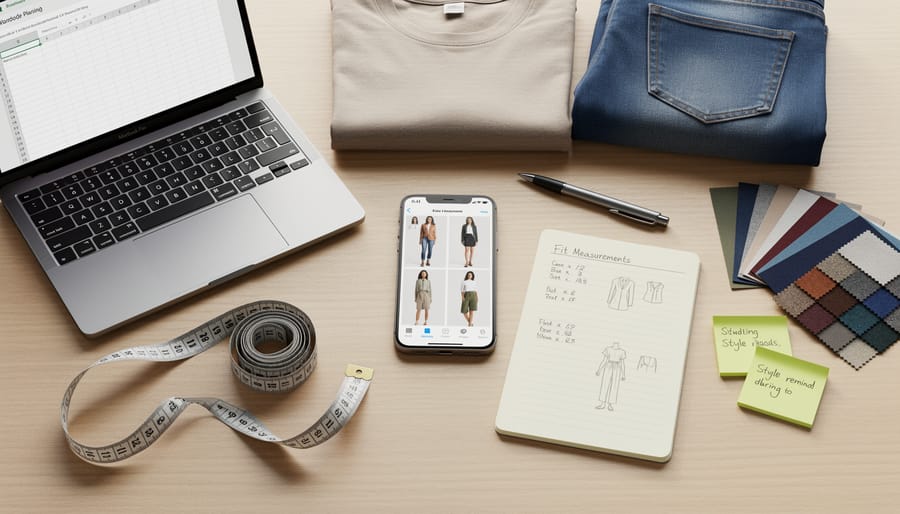
You probably already own everything you need to start developing your personal style, no special equipment or expensive purchases required. The beauty of this process is that it’s built around tools that help you observe, document, and refine what already works for you.
Here’s what you’ll actually use:
- Your phone camera: For capturing outfit combinations that work so you can replicate them later and track what makes you feel confident
- A full-length mirror: Essential for seeing your complete silhouette and how proportions work together, not just your face and torso
- Measuring tape: Knowing your measurements saves time shopping online and helps you understand fit better than size labels alone
- Pinterest or similar app: A free way to collect visual inspiration and identify patterns in what draws your eye
- Your existing wardrobe: Start with what you own before buying anything new, you’ll be surprised what you rediscover
- A realistic monthly budget: Even $20-30 dedicated to style development helps, but knowing your limit prevents impulse buying
The mirror and phone camera form your documentation system. When you put together an outfit that feels right, snap a photo. Over time, these photos reveal your natural preferences, certain color combinations you gravitate toward, silhouettes that make you feel good, pieces you style repeatedly. The measuring tape matters more than you’d think. Knowing you’re a 28-inch inseam or that your shoulders measure 16 inches means you can shop secondhand online with confidence and understand why some cuts work better on your frame than others. Pinterest costs nothing and lets you save hundreds of images without commitment, which helps you spot the common threads in your taste. You’re not trying to copy these outfits exactly, you’re mining them for clues about your aesthetic direction.
Before You Start: Important Things to Know
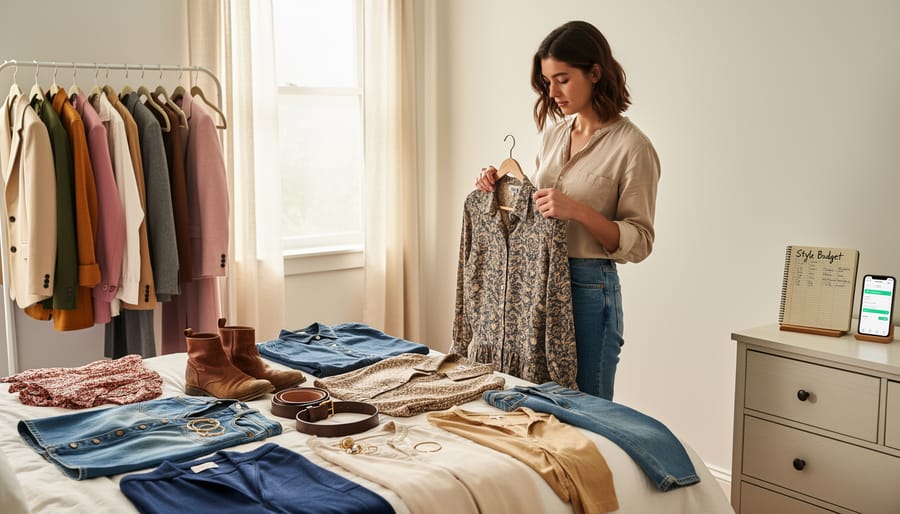
Before you dive into transforming your wardrobe, let’s talk about the mistakes that trip up most college students. The biggest trap is impulse buying every trending piece you see on TikTok or Instagram. Those haul videos make shopping look fun and harmless, but the emotional effects of fast fashion include buyer’s remorse and closet overwhelm when you realize half those items don’t fit your actual life. Just because an influencer looks amazing in oversized blazers and mini skirts doesn’t mean that combination works for your 8am lectures and lab sessions.
Another common mistake is ignoring what actually feels good on your body. Forcing yourself into uncomfortable trends because they look cool online will just leave you tugging at your clothes all day. Your personal style should make you feel confident, not squeezed into someone else’s aesthetic. Start by exploring affordable fashion retailers rather than expensive boutiques, and resist the urge to overhaul everything overnight. Style development is gradual, not a weekend project that drains your bank account.
Your Step-by-Step Style Development Process
Assess Your Current Wardrobe and Lifestyle
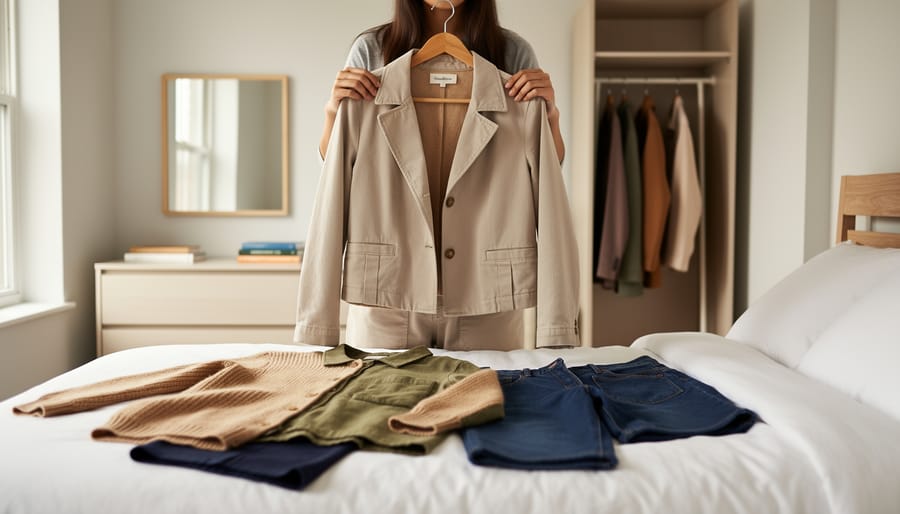
Start by pulling everything out of your closet and onto your bed. Yeah, it’s going to look like a disaster zone, but seeing all your clothes at once is the only way to get real about what you actually own versus what you think you own.
Sort your clothes into three piles: wear constantly, wear occasionally, and never wear. Be brutally honest here. That cute top you bought six months ago but haven’t worn once? It goes in the never pile, no matter how much you paid for it. The pieces in your “wear constantly” pile reveal your true style preferences, not the aspirational version of yourself you imagine while online shopping at 2 a.m.
Now think about your actual daily life. How many hours do you spend in lecture halls versus coffee shops versus the gym? Do you have a part-time job with a dress code? Are you constantly running between campus and social events? Your wardrobe needs to reflect these realities. If you’re spending most days in class and the library, that bodycon dress collecting dust isn’t serving you.
Take photos of your most-worn outfits over the next week. You’ll start seeing patterns in colors, silhouettes, and comfort levels that point toward your natural style preferences.
Discover Your Style Inspiration
Inspiration is everywhere once you start paying attention. Open Pinterest and create a board (make it private if you’re feeling self-conscious), then start pinning outfits that make you pause. Don’t overthink it, if you like something, save it. After you’ve collected 30-50 pins, patterns will emerge. Maybe you’re drawn to oversized blazers, or perhaps every outfit features vintage denim.
Follow creators on Instagram and TikTok who actually dress like real people, not just those with unlimited budgets and professional styling. Look for diverse body types, price points, and lifestyles that mirror yours. Your classmate who always looks put-together? She’s fair game for inspiration too, notice what makes her outfits work without copying them exactly.
Explore different aesthetics without committing. Spend a week immersing yourself in minimalist style influences then try streetwear, vintage, or dark academia. You’re not choosing one forever, most people blend elements from multiple aesthetics. The goal is finding what genuinely excites you, not what gets the most likes. Screenshot outfits you’d actually wear to class, not just admire from afar. That distinction matters when you’re building a wardrobe you’ll use daily.
Identify Your Style Keywords
Think of your style keywords as your personal shopping filter, three to five words that capture exactly what you’re going for. When you’re scrolling through Instagram at 2am or standing in a thrift store wondering if you really need another flannel, these words help you decide.
Look at the outfits you saved during your inspiration phase and spot the patterns. Do the same vibes keep showing up? Maybe everything feels relaxed and earthy, that’s your “comfortable-natural-laid-back” aesthetic right there. Or perhaps you gravitate toward structured pieces with unexpected details, making you more “polished-edgy-modern.”
Write down every adjective that feels true to the style you want: feminine, minimalist, bold, vintage, preppy, artistic, sporty, romantic. Now narrow it down. Pick the three to five that together describe a look that’s uniquely you. “Soft-vintage-feminine” creates a totally different vibe than “vintage-edgy-minimal,” even though they share a word.
Test your keywords by imagining a denim jacket. Would your version be oversized and distressed, cropped and structured, or embroidered with patches? Your answer should match your words. These become your guide every time you shop, helping you build a consistent wardrobe instead of a closet full of random pieces that don’t work together.
Build Your Capsule Foundation
Start with five to seven core pieces that work across multiple outfits. For a minimalist vibe, think quality basics: straight-leg jeans, a well-fitted white tee, a black bodysuit, an oversized blazer, and classic sneakers. If you lean edgy-vintage, swap the blazer for a thrifted leather jacket and add a band tee or two. Preppy students might prioritize a trench coat, tailored trousers, and loafers.
Buy one foundational piece at a time rather than blowing your budget in one trip. Thrift stores, campus swap events, and apps like Depop or Poshmark are goldmines for affordable basics. Check sizing carefully when buying secondhand, try things on if you can, or know your measurements cold.
Set a realistic monthly clothing budget (even if it’s just twenty dollars) and stick to it. Shop during college breaks when you have more time to hunt for deals and aren’t stressed about midterms. Sales around back-to-school and end-of-season markdowns stretch your money further.
Prioritize neutral colors first, black, white, grey, navy, beige, because they mix effortlessly. Once your foundation is solid, add color and pattern through cheaper statement pieces later. Your capsule should feel like a menu of options that all work together, not a collection of standalone outfits.
Experiment with Statement Pieces
Once you’ve nailed your basics, statement pieces inject genuine personality into your outfits. These are the items that make people say, “That’s so you”, a vintage leather jacket, chunky platform boots, a bold printed blazer, or that perfect oversized band tee.
Start small. Pick one statement piece per outfit so your look stays balanced, not costume-y. A graphic tee with plain jeans hits differently than pairing it with patterned pants and statement jewelry all at once.
Budget-friendly ways to experiment with current style trends without commitment: organize clothing swaps with friends, borrow pieces for specific events, hit up thrift stores for unique finds, or check out rental services for formal occasions. Your roommate’s leather pants might be perfect for that concert, and you’ll know if the style actually works for you before investing.
The goal isn’t collecting statement pieces. It’s finding the ones that genuinely resonate with your vibe and make getting dressed fun.
Document and Refine Your Outfits
Start taking mirror selfies before you leave your room, not for Instagram, but for yourself. Create a dedicated album on your phone called “What I Wore” and snap a quick photo every day or whenever you try a new combination. After a week or two, scroll through and notice patterns. Which outfits made you feel unstoppable? Which ones had you tugging at sleeves or checking your reflection all day?
Rate each look with emojis or simple notes: “loved this,” “felt weird,” “got three compliments.” You’ll quickly see what actually works versus what looked good on the hanger. Pay attention to colour combinations that make you light up, silhouettes that feel effortless, and pieces that keep appearing in your best outfits.
This isn’t about perfection. Some days you’ll nail it, others you’ll realize that vintage blazer just doesn’t fit your vibe. Both teach you something. When an outfit flops, ask why, wrong occasion, uncomfortable fabric, doesn’t match your keywords? Delete the photo if you want, but remember the lesson. Your style evolves through doing, not theorizing.
How to Know Your Style Is Working

You’ll know you’re on the right track when getting dressed stops feeling like a chore and starts feeling natural. The clearest sign? You open your closet and instinctively reach for pieces that feel like you, without second-guessing yourself for twenty minutes or trying on five different outfits before class.
Confidence is your biggest indicator. When you genuinely feel comfortable in what you’re wearing, not just physically, but emotionally, that’s proof your style works. You’re not constantly adjusting your outfit, comparing yourself to others in the lecture hall, or wishing you’d worn something different. You feel like yourself, just the best-dressed version.
The compliments you receive shift too. Instead of generic “cute outfit” comments, people start noticing your aesthetic: “You always look so put-together” or “I love your vintage vibe.” Friends might even ask where you got something or request to borrow pieces because they recognize your consistent point of view.
Shopping becomes easier and faster because you’ve developed a filter. You can walk through a thrift store or scroll online and immediately know what fits your style and what doesn’t, similar to how you might quickly spot colour pop makeup shades that match your aesthetic versus ones that don’t work for you. You waste less money on impulse buys that sit unworn.
Remember, your style will evolve as you do. The aesthetics that define your first year might shift by junior year, and that’s completely normal. The process you’ve learned, self-assessment, experimentation, refinement, stays with you. When you notice your current style feeling off, repeat the steps to realign with who you’re becoming.
Your Style Questions Answered
You’re probably wondering about the practical stuff nobody else talks about. Here are the real answers to questions we hear from students all the time.
How long does it actually take to develop my personal style?
Most students start feeling confident in their style after 3-6 months of intentional experimentation. It’s not an overnight transformation, you’ll need time to test different looks, figure out what feels right, and build your wardrobe gradually.
What if I literally can’t afford new clothes right now?
Work with what you’ve got. Start by remixing your current pieces in new ways, swapping clothes with friends, or hitting up campus clothing swaps. Style development is about how you put things together, not how much you spend.
Should I ignore trends completely or try to follow them?
Use trends as inspiration, not rules. If a trend aligns with your style keywords and genuinely excites you, try it in an affordable way. If it doesn’t resonate, skip it without guilt, your style isn’t a trend report.
Do I need one signature look, or can my style be different depending on my mood?
Your style can absolutely have range. Many people have a consistent vibe that shows up in different ways, like someone whose style is “bold and colourful” might wear bright blazers one day and vibrant sneakers the next.
How do I transition my style between seasons without buying a whole new wardrobe?
Focus on layering and strategic accessories. A fall scarf or spring jacket can completely change the vibe of outfits you already own. Think about adding one or two seasonal pieces that work with your existing basics rather than starting from scratch.
What if my style feels different from everyone else on campus?
That’s actually a good sign. Personal style means standing out in a way that feels authentic to you, not blending in with the crowd. If you feel like yourself, you’re doing it right.
The biggest thing to remember is that your style will keep evolving throughout college and beyond. What feels perfect in first year might shift by graduation, and that’s completely normal. Give yourself permission to experiment, make mistakes, and change your mind. The goal isn’t perfection, it’s creating a wardrobe that makes getting dressed feel easy and exciting instead of stressful.
Leave a Reply