
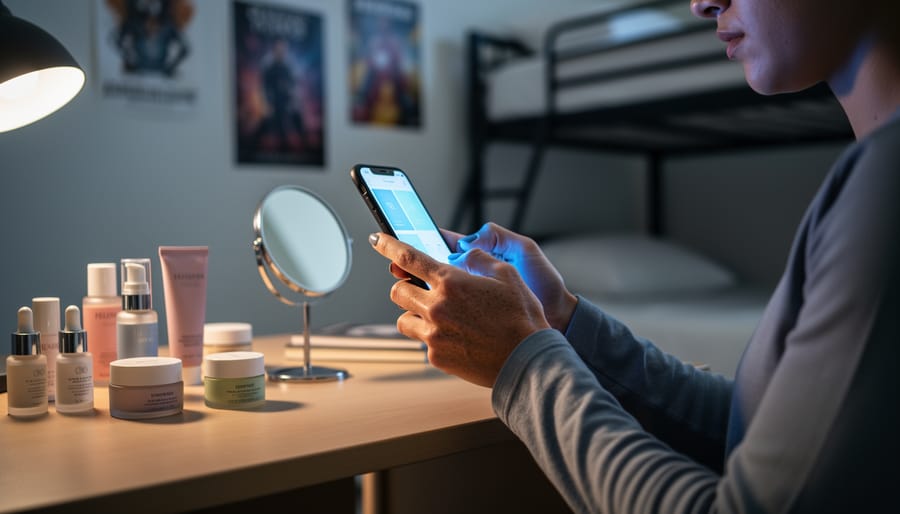
Dangerous Social Media Trends News Update: What Changed and What to Watch in 2026
The riskiest social media trends for 2026 fall into five repeat categories: extreme beauty and skincare hacks, DIY fashion and “dupe” shopping scams, viral diet and wellness challenges, risky stunts done for views, and “get rich quick” budget advice. The names change every few weeks, but the patterns don’t, and once you can spot the pattern, you can skip the trend without missing out.
Here’s what shifted. Trends used to take months to travel from one friend group to the next. Now one clip can land on thousands of For You pages overnight, often with a “sponsored” label buried in the caption or missing completely. By the time a dermatologist or consumer group weighs in, half your campus has already tried it (or bought it).
That speed matters for college students in a real way. We’re juggling tight budgets, packed schedules, and a whole lot of pressure to look put together, which makes a “five-dollar fix for everything” video feel like a lifeline. Sometimes it is. Sometimes it’s a skin reaction, a scammed order, or a week of regret.
Below, we break down each category, what to watch for, and how to protect yourself without being the friend who ruins the fun. Got a trend you tried (or dodged)? Tell us in the comments, because your story might save someone else’s skin.
What Changed: How Risky Trends Spread in the Social Media Trends Landscape
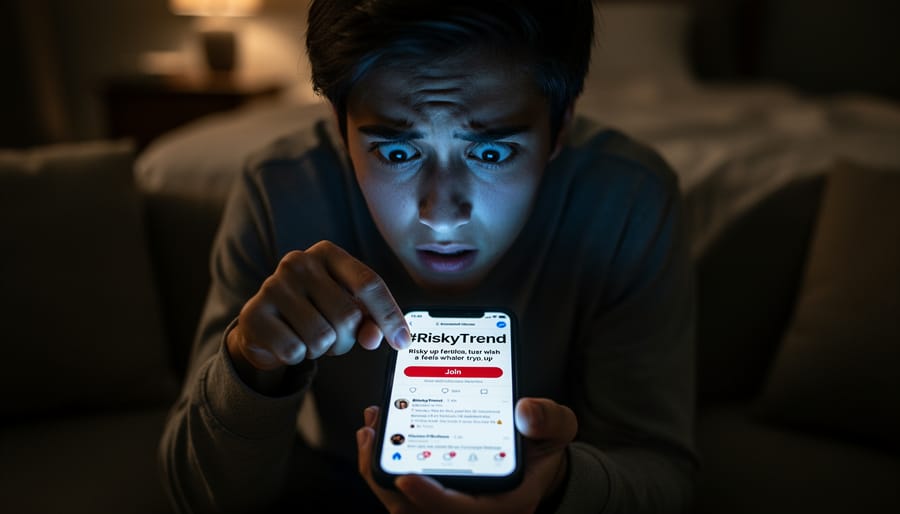
Remember when a trend took weeks to travel from one corner of the internet to your feed? Those days are pretty much gone. Now a challenge can blow up overnight, and by the time you’ve heard of it, half your group chat has already tried it.
A big reason is the algorithm. Platforms push whatever keeps people watching, so a flashy challenge can land in front of thousands of students before anyone asks whether it’s a good idea. Add influencers and brands jumping on the same hashtag, and suddenly everything looks polished, glamorous, and totally normal. A sketchy “hack” filmed in perfect lighting with a cute caption feels a lot more trustworthy than it should.
Then there’s FOMO. When everyone you follow is posting the same thing, skipping it can feel like missing the party. That pressure is real, and honestly, it’s not a character flaw. It’s just how these feeds are built.
What’s shifted is the vibe. Trends used to feel like harmless fun, a silly dance or a quirky filter. Now the same speed and polish can carry stuff that deserves a second look, from risky beauty experiments to challenges nobody has vetted. The trick isn’t to panic or swear off your feed. It’s to build in a tiny pause between “ooh, that looks fun” and “okay, I’m doing it.”
That pause is your superpower, and the rest of this piece is about how to use it.
Key Developments: 5 Types of Risky Trends College Girls Keep Seeing
1. DIY Beauty and Skincare Hacks That Go Too Far
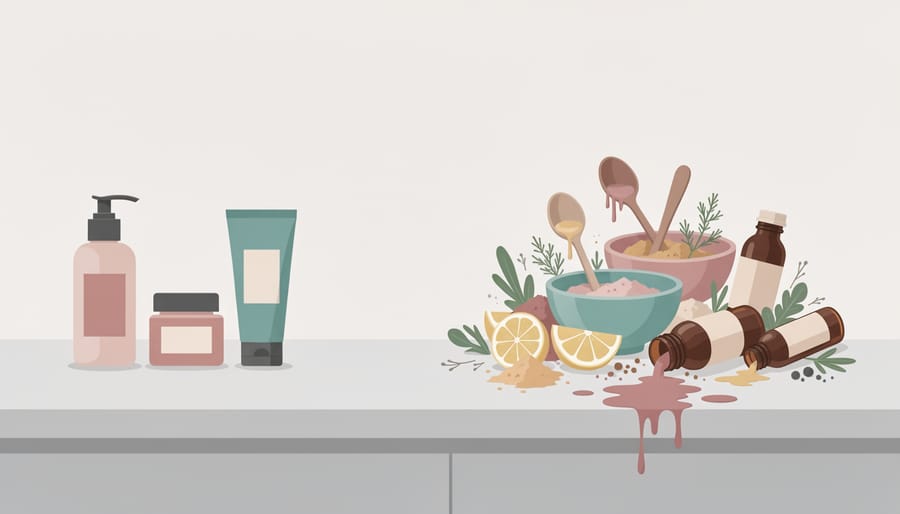
We’ve all seen it: a glowy-skin tutorial that swears a kitchen-cabinet mask will fix everything overnight. The trouble starts when “hacks” involve straight lemon juice, undiluted acids, or layering products that were never meant to meet. Instead of a glow-up, you can end up with redness, stinging, chemical-style burns, or a fresh round of breakouts. Plenty of social media trends reward the dramatic before-and-after, not the slow, gentle approach your skin actually likes.
Here are quick red flags that a beauty hack is sketchy:
- There’s no ingredient list or measurements anywhere.
- It promises an “overnight miracle” fix.
- Nobody mentions a patch test first.
- It relies on extreme DIY ingredients like undiluted acids, baking soda, or essential oils straight onto skin.
Before trying anything new, dab a tiny amount on your inner arm and wait 24 hours. Not sure whether two products play nicely together? A pharmacist can tell you for free, and a dermatologist is worth booking if irritation sticks around. On a student budget, a gentle cleanser, moisturizer, and sunscreen beat any viral concoction, and they slot easily into a simple daily routine.
2. Extreme Diet, Detox, and Body-Shaping Challenges
Scroll long enough and you’ll hit it: a “what I eat in a day” video that’s barely a snack, a detox tea promising a flat tummy by Friday, or a body-check clip that quietly makes you stare at your own reflection a little too hard. These trends dress themselves up as wellness, but they often push extreme restriction, and a lot of “detox” products are really just laxatives. That can leave you dizzy, dehydrated, and wiped out before your 8 a.m. lecture.
The mental side matters too. Constant comparison can sneak into how you see yourself, even if you’re not trying any of it. If something in your feed leaves you feeling worse, mute or unfollow it. That’s self-care, not overreacting.
Need real support? Most campuses have a health or counselling centre, and a doctor or registered dietitian can give advice that fits your body. Canadian resources like the National Eating Disorder Information Centre (NEDIC) are there too, no judgment attached.
3. Dangerous Physical Stunts and Viral Challenges
Every few months, a new stunt-style challenge takes over the feed. Someone climbs, jumps, balances, chugs, or holds their breath for the camera, and suddenly half your campus is “just trying it.” The pattern repeats because it works: bigger, riskier clips get more views, and views feel like proof it’s a good idea.
Here’s the sneaky part. When you’re filming, your brain shifts from “is this safe?” to “is this getting the shot?” Chasing a perfect take or a cheering crowd can make a sprained ankle, a concussion, or worse feel like a distant maybe. And plenty of people who get hurt are the ones who thought, “everyone else did it fine.”
Try a quick gut-check before you join any challenge:
– Would I do this if nobody was filming?
– What’s the worst realistic outcome, and could I live with it?
– Am I tired, rushed, or pressured by friends right now?
If any answer makes you wince, skip it. Passing on a challenge doesn’t make you boring. It just means you’re keeping your weekends, and your body, intact.
4. Oversharing, Location Tags, and Privacy Traps

Some of the most popular trends don’t look risky at all. Think “get ready with me” videos, dorm room tours, “day in my life” vlogs, or location-tagged posts from your favourite study spot. Each one feels harmless, but together they can show where you live, when you leave, and how predictable your routine is. For young women living on or near campus, that’s more information than a stranger needs.
The fix isn’t to stop posting. It’s to share smarter. Wait until you’ve left a place before posting about it, keep room numbers, building names and street signs out of frame, and skip the real-time check-ins. Switch your account to private if you can, and take a few minutes to review who’s actually following you.
Quick settings checks go a long way, and your future self will thank you for them.
5. Too-Good-To-Be-True Shopping, Dupes, and Giveaway Scams
If your feed is flooded with “designer-quality” dupes at $12 or a “huge giveaway” from an account you’ve never heard of, pause before you tap. Scammers love a trending hashtag because it puts their sketchy listings right next to legit ones. Counterfeit products can also be unregulated, which matters a lot for anything that goes on your skin.
Here’s a quick checklist for spotting a scam:
- The account is brand new but promises huge prizes or deals.
- You get DMs asking for payment info to “claim” your giveaway.
- There’s no clear return policy or contact info on the shop.
- The price seems impossible for the quality shown.
A good rule on a student budget is to check reviews outside the app and search the brand name plus “scam” before you buy. If you want a smarter way to stretch your dollars, our shopping guide walks through picking affordable retailers you can actually trust. A real deal doesn’t disappear if you take ten minutes to check it out.
Why It Matters for College Life and Your Feed
College life is basically one long group chat with a side of scrolling. Between lectures, late-night study sessions, and waiting for the bus, your feed is always right there, and so is everyone else’s version of what’s cool this week. That’s exactly why risky trends land differently on campus.
When your friends are all trying something, skipping it can feel like missing out. Add a tight budget and a thrifty streak, and a cheap “hack” or a flash-sale dupe starts to look like a no-brainer. That pull to belong is completely human, and it’s the very thing trends are built to tap into.
Here’s the part nobody says out loud: being cautious isn’t being boring. Pausing to ask “wait, is this actually safe?” is a pretty confident move. Skipping a trend is a valid choice, and you don’t owe anyone an explanation for it. Your friends can still be your friends, and your skin, your wallet, and your privacy will thank you later.
You can still enjoy your feed, laugh at the memes, and pick up genuinely fun ideas. You just get to decide which ones are worth your time.
What to Watch: How to Spot a Sketchy Trend Before You Join
New trends show up on your feed every week, and you don’t need a crystal ball to spot the sketchy ones. You just need a quick pause before you hit “join.” Think of it as your five-second reality check, no judgment attached.
Next time a trend has everyone talking, run through this:
- Who’s promoting it, and what do they get out of it?
- Would I be okay if everything went wrong, like a rash, an injury, or a scam?
- Does it ask for money, personal info, or a seriously extreme risk?
- Would I be fine with this post living online forever?
If any answer makes you hesitate, that’s your cue to slow down. Skipping a trend is a totally valid choice, and nobody earns bonus points for being first.
Not sure about something? Hop into the Canadian College Girl community forums and ask. Chances are someone has already seen the same trend, tried a safer version, or learned the hard way. Share what you’ve spotted, too. Comparing notes with other students helps everyone scroll a little smarter.
Your Questions About Risky Social Media Trends, Answered
Got questions? Here are the ones that come up the most, answered straight.
How do I know if a trend is safe?
Ask yourself who benefits from you joining and what could realistically go wrong. If it involves skipping meals, mixing strong products, hiding something from your friends, or a stunt you wouldn’t try off camera, that’s your cue to pass.
What if a product from a trend gave me a reaction?
Stop using it right away, rinse the area gently with cool water, and check in with a pharmacist or your campus health clinic. If you have swelling, trouble breathing, or severe pain, get medical help immediately.
How do I say no to friends without feeling left out?
Keep it light and low-drama, something like “I’ll pass, but I’ll film you!” or “Not my thing, what else are we doing?” Real friends care more about hanging out than about whether you joined in.
Should I report dangerous content, and where can I find reliable advice?
Yes, every major platform has a report button, and using it helps protect people who might copy the trend. For trustworthy health and safety info, lean on your campus health services, a pharmacist, or a doctor rather than a comment section.
Still unsure about something you saw on your feed? That’s totally normal, and checking before you try it is a smart move, not a boring one. Trends move fast, but you’re allowed to take your time. If you’ve got a question that isn’t covered here, bring it to the community forums, where other students are probably wondering the same thing and happy to compare notes.
Trends come and go faster than a campus coffee line, but your safety and your confidence aren’t going anywhere. You don’t owe anyone a “yes” just because a challenge is blowing up your feed, and skipping something that feels off is never boring. It’s smart.
So next time you hit that tiny voice in your gut saying “hmm, is this really a good idea?”, listen to it. Check the ingredients, double-check the seller, and think twice before posting your location. You’ve got great instincts, and trusting them is the most stylish move of all.
Have a trend story, a scam you spotted, or a safer swap that saved you money? Hop into the Canadian College Girl community forums and share it. Your experience might be exactly what another student needs to see before she scrolls on.
Leave a Reply